
Best Core Exercises for Athletes: Build a Strong Midsection

Core strength is the foundation of athletic performance. Whether you're sprinting, jumping, lifting, or grappling, a powerful core improves stability, power transfer, and injury resilience. This guide covers the best core exercises for athletes, backed by training science and proven in real-world strength programs. Lock in your midsection and build the kind of durability your sport demands.
Why Core Strength Matters for Athletes
Your core is more than just abs. It's a complex group of muscles including the rectus abdominis, obliques, transverse abdominis, and the deeper spinal stabilizers. These muscles coordinate to:
- Stabilize your spine and pelvis: Essential for maintaining posture and balance during dynamic movements.
- Transfer power between upper and lower body: Enables explosive movements like sprinting and throwing.
- Reduce injury risk: A strong core protects against lower back pain and other common athletic injuries.
- Improve endurance and agility: Core endurance helps maintain form under fatigue, crucial in the late stages of competition.
A weak core is a performance limiter. Building a solid midsection should be a top priority in your training.
The Science Behind Effective Core Training for Athletes
Research shows that core training improves athletic performance when it focuses on functional strength and stability, not just aesthetics. A 2017 study published in the Journal of Sports Science and Medicine found that athletes who incorporated dynamic core exercises showed significant improvements in sprint speed and agility tests compared to those who did isolated static exercises.
Key takeaways from core science:
- Dynamic and anti-rotational exercises enhance real-world athletic movements more than static holds.
- Integrated core training that mimics sport-specific demands yields better carryover.
- Progressive overload is essential: challenge your core with increasing resistance or complexity.
- Core endurance matters: Sustained muscle activation improves posture and reduces fatigue.
Top Core Exercises for Athletes: Functional, Challenging, Effective
Focus on exercises that engage multiple muscle groups, require balance and stability, and can be progressively loaded. Here are the top picks:
1. Hanging Leg Raises
Targets: Rectus abdominis, hip flexors, spinal stabilizers
Why it works: Develops hip flexor strength and spinal control while challenging grip and shoulder stability.
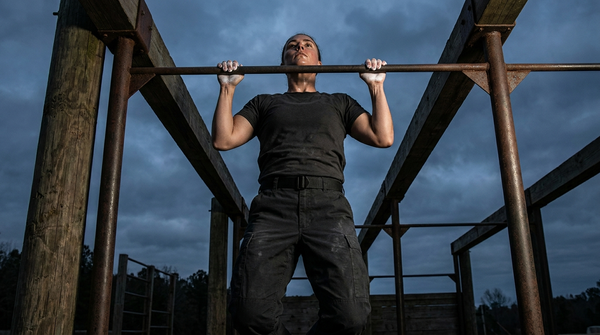
How to do it: Hang from a pull-up bar or use Battle Bunker Hanging Ab Straps for a more secure grip. Keep your legs straight and raise them to at least parallel, then lower slowly. The ab straps let you focus on the core movement without grip fatigue cutting the set short.
2. Pallof Press (Anti-Rotation)
Targets: Transverse abdominis, obliques, deep core stabilizers
Why it works: Trains the core to resist rotational forces, improving stability in twisting sports.
How to do it: Attach a resistance band at chest height. Stand sideways, hold the band with both hands, and press it straight out, resisting the pull that wants to rotate your torso.
3. Plank Variations (Front and Side)
Targets: Entire core, including deep stabilizers
Why it works: Builds isometric endurance essential for maintaining posture under fatigue.
How to do it: Maintain a neutral spine with elbows under shoulders. Hold for time, then progress to side planks or weighted planks.
4. Russian Twists (Weighted)
Targets: Obliques, rotational strength
Why it works: Builds rotational power critical for throwing, swinging, and cutting movements.
How to do it: Sit with feet off the ground, lean back slightly, and twist your torso side to side while holding a medicine ball or weight plate.
5. Dead Bug
Targets: Deep core stabilizers, spinal alignment
Why it works: Teaches core control while moving limbs independently, reducing compensations and bad movement habits.
How to do it: Lie on your back with arms extended toward the ceiling. Slowly lower one arm and the opposite leg toward the floor without letting your lower back arch, then return and switch sides.
6. Ab Wheel Rollouts
Targets: Rectus abdominis, transverse abdominis, hip flexors
Why it works: One of the highest-activation core exercises available. Demands full-body tension and serious anti-extension strength.
How to do it: Kneel on the floor with an ab wheel in front of you. Slowly roll out until your torso is nearly parallel to the ground, then pull back using your core. Keep your hips from sagging throughout the movement.
How to Incorporate Core Training for Maximum Athletic Benefit
- Frequency: 3 times per week, integrated into your strength or conditioning sessions.
- Sets and reps: 3-4 sets of 12-15 reps for dynamic moves; hold planks for 30-60 seconds.
- Progression: Increase difficulty by adding resistance, increasing time under tension, or advancing exercise complexity.
- Warm-up: Activate your core with light movements before heavy lifts or high-intensity drills.
- Consistency: Core strength builds over weeks. Track progress and stay disciplined.
Common Mistakes Athletes Make When Training Core
- Focusing only on crunches and sit-ups: These isolate the rectus abdominis but neglect deeper stabilizers and rotational muscles.
- Using momentum: Swinging legs or body reduces effectiveness and increases injury risk.
- Ignoring form: Poor spinal alignment can cause back strain.
- Skipping progressive overload: Without added challenge, gains plateau.
- Neglecting breathing: Proper breathing stabilizes the core and improves performance.
A Note on Equipment: Hanging Ab Straps
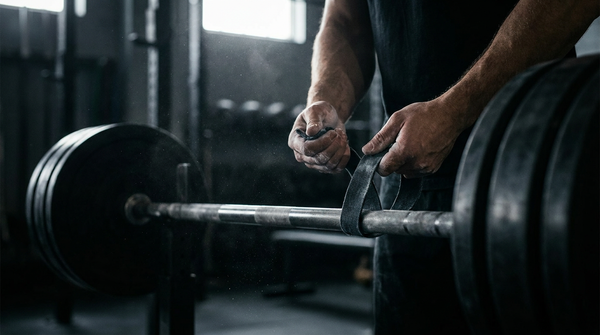
For athletes serious about core work, the right equipment supports proper form and lets you train harder. The Battle Bunker Hanging Ab Straps give you a secure, comfortable grip so you can perform hanging leg raises and similar drills with full control and minimal shoulder strain. They help you:
- Maintain proper form during hanging core exercises
- Increase training volume by reducing grip fatigue
- Progress safely with added resistance or reps
Add them to your training and your core work will be limited by your abs, not your hands.
Bookmark this guide and come back to it as your training evolves. Consistent, smart core training means better athletic output and fewer injuries. Get after it.