
How to Do a Proper Pull Up: Fix Your Form and Build Real Strength

Pull ups are the gold standard of bodyweight strength training, an essential movement for anyone serious about building upper body power, endurance, and military-style discipline. But despite their apparent simplicity, many people struggle with how to do a proper pull up. Getting it right requires more than brute strength. It takes precise technique, consistent practice, and a smart progression strategy.
This guide breaks down everything you need to know about performing pull ups correctly, from grip and positioning to breathing and progressions. Whether you're working toward your first rep or trying to add volume to your sets, this article will help you build the strength and confidence to execute every pull up with quality.
Why Proper Pull Up Form Matters
Pull ups target multiple muscle groups at once, including the lats, biceps, shoulders, and core. Doing them with proper form means you get full benefit from every rep while keeping injury risk low. Incorrect technique leads to strained muscles, poor posture, and stalled progress.
Proper pull ups also develop bodyweight control and functional strength, making them valuable for hybrid training, military-style fitness routines, and general athletic performance.
Step-by-Step Guide: How to Do a Proper Pull Up
1. Grip and Setup
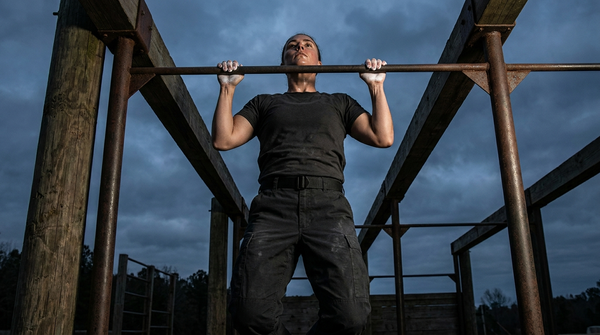
Start by choosing the right grip. The most common and effective grip for pull ups is the overhand (pronated) grip, hands slightly wider than shoulder-width apart. This position targets your lats and upper back effectively.
- Grip width: Shoulder-width to slightly wider
- Thumb placement: Wrap your thumb around the bar for maximum grip security
- Shoulder set: Before pulling, retract and depress your scapula to stabilize
2. Body Positioning
Hang from the bar with your arms fully extended. Keep your legs straight or slightly bent at the knees and cross your ankles if it helps maintain balance. Engage your core by tightening your abs and glutes. This prevents swinging and keeps your body in a rigid line.
3. The Pull
Initiate the movement by driving your elbows down and back. Focus on pulling your chest toward the bar rather than just your chin. This engagement maximizes lat activation.
- Keep your shoulders back and down throughout
- Pull smoothly and avoid jerking or kipping unless training advanced variations
- Maintain a controlled tempo on both the upward and downward phases
4. The Top Position
At the top, your chin should clear the bar, or your chest should touch it if you want maximum range of motion. Hold for a second, squeezing your shoulder blades together to maximize muscle engagement.
5. Lowering Down
Lower yourself slowly and with control until your arms are fully extended again. This eccentric phase builds significant strength and protects your joints. Avoid dropping down quickly or losing shoulder tension.
Common Mistakes to Avoid
- Using momentum: Swinging or kipping reduces muscle engagement and increases injury risk
- Partial reps: Not going through the full range limits your progress
- Flaring elbows: Letting elbows flare out places unnecessary stress on joints
- Shrugging shoulders: Keep shoulders down and engaged throughout the movement
- Holding your breath: Breathe steadily. Exhale on the way up, inhale on the way down.
Progression Strategies for Pull Up Success
If you can't complete a full pull up yet, that's fine. Pull ups require significant upper body strength, but with consistent effort and smart progression, anyone can get there.
Assisted Pull Ups
- Use Battle Bands (resistance bands) attached to the bar for assistance
- Perform negative pull ups by jumping to the top position and lowering slowly
- Try partner assistance or assisted pull up machines
Strength Building Exercises
- Lat pulldowns to mimic the pull up motion
- Inverted rows to build back and arm strength
- Bicep curls and scapular pull ups for targeted muscle activation
Consistency and Volume
Practice pull ups 2 to 3 times per week. Start with manageable sets and build reps gradually. Track your numbers week to week so you can see the trend moving in the right direction.
Additional Tips to Improve Your Pull Up Performance
- Warm up properly: Activate your shoulders, back, and arms with dynamic stretches and light exercises before your first rep
- Form over reps: A clean pull up is worth more than two sloppy ones
- Incorporate grip training: A stronger grip lets you hold on longer and train harder. Dead hangs are a simple place to start.
- Use quality gear: Hanging ab straps can help with form during assisted variations and add core work to your bar sessions
- Fuel your body: Adequate protein and hydration support recovery and consistent performance
Build Your Pull Up Foundation with Battle Bunker
At Battle Bunker, we build gear for athletes who take their training seriously. Whether you're working on your first pull up or chasing high-rep sets, our equipment is designed to support your progress at every stage.
Ready to dial in your form and build real upper body strength? Explore our gear and get to work. The bar is waiting.