How to Improve Grip Strength for Pull Ups

Pull ups are one of the most effective bodyweight exercises for building upper body strength, endurance, and muscular definition. Yet, many athletes and fitness enthusiasts struggle with the same bottleneck: grip strength. Without a strong grip, completing multiple pull ups or progressing to advanced variations can feel impossible. Fortunately, grip strength is a trainable skill that you can enhance with targeted exercises, proper technique, and the right gear.
In this comprehensive guide, we’ll break down how to improve grip strength for pull ups with practical advice, actionable tips, and recommendations for Battle Bunker training gear like resistance bands, wrist wraps, lifting straps, and ab straps to support your journey.
Why Grip Strength Matters for Pull Ups
Your grip is the vital connection between your hands and the pull up bar. If your hands fatigue early, your ability to pull your body up diminishes, no matter how strong your back or arms are. Developing grip strength not only helps you complete more reps but also enables you to:
- Perform different pull up variations (weighted, towel, one-arm)
- Increase training volume and intensity
- Prevent injuries related to slipping or hand fatigue
- Enhance overall functional strength and endurance
Because grip strength relies on your forearms, fingers, and wrist stability, a well-rounded grip training routine should target these areas specifically.
Types of Grip Strength and Their Role in Pull Ups
Understanding the different types of grip strength will help you tailor your training effectively:
- Crushing Grip: The force you can exert when squeezing something, essential for holding onto the bar tightly.
- Pinching Grip: Using your thumb and fingers to pinch, often engaged in towel or thick bar pull ups.
- Support Grip: The ability to maintain your hold over time, critical for high-rep pull ups and hanging exercises.
- Wrist Stability: Helps maintain control and avoid injury during challenging pull up variations.
Each of these components contributes to your overall grip strength and should be trained accordingly.
Effective Exercises to Improve Grip Strength for Pull Ups
Incorporate these exercises into your routine to specifically target grip strength:
1. Dead Hangs
Dead hangs are a foundational grip and shoulder endurance exercise.
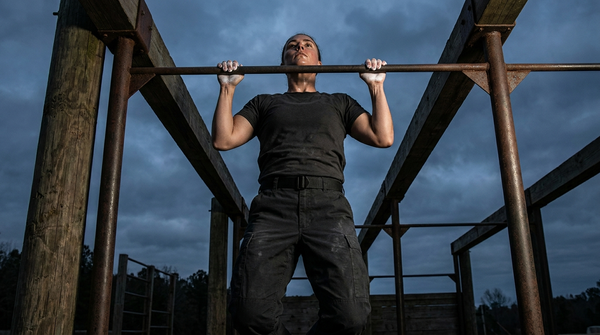
- How to do it: Grab the pull up bar with an overhand grip, shoulders engaged, and hang with your feet off the ground.
- Duration: Start with 20-30 seconds and work up to 1-2 minutes per set.
- Benefits: Builds support grip endurance and familiarizes your hands with the pull up bar.
2. Farmer’s Carries
Holding heavy weights in each hand and walking improves crushing grip strength and wrist stability.
- How to do it: Hold dumbbells or kettlebells at your sides and walk a set distance or time.
- Progression: Increase weight or distance gradually.
3. Towel Pull Ups
Using towels draped over the pull up bar forces your hands into a pinching grip.
- How to do it: Drape one or two towels over the bar, grip them firmly, and perform pull ups.
- Tip: Start with negative reps if full pull ups are too challenging.
4. Plate Pinches
Pinching two weight plates together and holding them builds finger and thumb strength.
- How to do it: Pinch two plates together smooth side out and hold for time.
- Duration: Aim for 20-40 second holds.
5. Wrist Curls and Reverse Wrist Curls
Strengthen your wrist flexors and extensors to improve control during pull ups.
- How to do it: Use a light barbell or dumbbells to perform wrist flexion and extension movements with controlled reps.
Incorporating Battle Bunker Gear to Enhance Grip Training
Using the right equipment can accelerate your progress and protect your hands during grip-intensive workouts. Battle Bunker offers a range of high-quality training gear designed for hybrid training and pull up enthusiasts.
Resistance Bands for Assisted Pull Ups and Grip Strength
Resistance bands are perfect for building grip endurance and assisting with pull ups while reducing strain.
- How to use: Loop a band around the pull up bar and place your foot or knee inside to assist your pull ups.
- Benefit: Allows you to practice grip engagement for longer periods and gradually build strength.
Wrist Wraps for Support and Injury Prevention
Wrist wraps stabilize your wrists during heavy or high-volume pull ups, reducing fatigue and risk of injury.
- When to use: During weighted pull ups or extended sets to maintain wrist alignment and reduce strain.
Lifting Straps for Grip Assistance
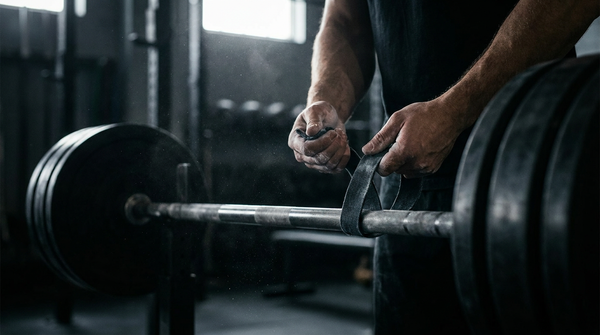
When your grip fails but your back and arm strength remain, lifting straps can help you maintain your hold and complete challenging pull ups.
- Use case: Ideal for high-rep sets or weighted pull ups when grip is the limiting factor.
- Tip: Use sparingly to ensure your grip continues to develop.
Ab Straps for Core Engagement Without Grip Fatigue
Ab straps support your arms during hanging leg raises or core work, allowing you to train your midsection without compromising grip strength.
- Benefit: Protects your grip for pull up training while building core strength simultaneously.
Programming Your Grip Strength Training
To see real progress, consistency and program structure are key. Here’s a simple weekly template to improve grip strength for pull ups:
-
Day 1: Pull Up Focus + Dead Hangs
Perform 3-5 sets of pull ups or assisted pull ups followed by 3 sets of dead hangs for max hold time. -
Day 2: Grip Isolation Training
Farmer’s carries, plate pinches, and wrist curls, 3 sets each with rest between. -
Day 3: Towel Pull Ups and Core
3-4 sets of towel pull ups or negatives, plus ab strap hanging leg raises for core. - Day 4: Rest or Active Recovery
-
Day 5: Weighted Pull Ups + Grip Assistance
Use lifting straps if necessary, 3-5 sets of weighted pull ups, supplemented with wrist wraps.
Adjust volume and intensity based on your fitness level, and progressively increase difficulty by adding weight, reps, or time under tension.
Additional Tips to Maximize Grip Strength Gains
- Warm Up Properly: Always warm up wrists, fingers, and forearms to prevent injury.
- Maintain Hand Care: Use chalk or grip-enhancing gloves if needed, and keep calluses managed.
- Focus on Technique: Grip the bar firmly but avoid over-gripping which causes premature fatigue.
- Stay Consistent: Grip strength improves gradually, regular training is essential.
- Nutrition and Recovery: Support muscle growth and repair with proper nutrition, hydration, and rest.
Conclusion: Take Your Pull Ups to the the next step with Stronger Grip
Mastering pull ups requires more than just upper body strength, it demands a powerful, enduring grip. By incorporating targeted exercises like dead hangs, towel pull ups, and plate pinches, alongside using Battle Bunker’s premium resistance bands, wrist wraps, lifting straps, and ab straps, you set yourself up for success. Consistent training, smart programming, and the right gear will improve your grip strength, enabling you to crush more pull ups, conquer advanced variations, and build unmatched functional fitness.
Ready to strengthen your grip and handle the bar? Explore Battle Bunker’s full range of training gear and hybrid training programs today. Equip yourself with everything you need to push past your limits and become a pull up powerhouse.