
How to Do More Pull Ups: A Practical Progression Guide

Pull ups are the ultimate test of upper body strength, grip endurance, and mental grit. Whether you’re aiming to crush your first pull up or add reps to your current max, learning how to do more pull ups is a game-changer for your overall fitness. At Battle Bunker, we specialize in hybrid training that combines strength, endurance, and military-style discipline, perfect for mastering pull ups and dominating your workouts.
In this comprehensive guide, you’ll discover practical, actionable tips to increase your pull up numbers. We’ll cover essential techniques, training progressions, recovery strategies, and how to integrate Battle Bunker’s premium gear, like resistance bands, wrist wraps, lifting straps, and ab straps, to maximize your performance and prevent injury.
Why Pull Ups Matter: Strength, Functionality, and Confidence
Pull ups are more than just an exercise; they’re a benchmark of functional strength. Here’s why you should prioritize them in your training:
- Full Upper Body Engagement: Pull ups target your lats, biceps, shoulders, traps, and core, building balanced strength that translates to everyday movements and athletic performance.
- Bodyweight Mastery: Dominating pull ups means mastering your own bodyweight, a crucial skill for military-style training, obstacle course races, and hybrid fitness.
- Scalable Challenge: Whether you’re just starting or an advanced athlete, pull ups can be modified or intensified to match your skill level.
Understanding these benefits can motivate you to push through plateaus and stick to consistent training programs.
Step 1: Assess Your Current Pull Up Ability
Before diving into training, evaluate your starting point:
- Perform a Max Rep Test: Try as many strict pull ups as possible with good form. Count your reps and record the number.
- Check Assisted Pull Ups: If you can’t do a full pull up yet, test your strength with assisted versions using resistance bands or a pull up machine.
- Note Weak Points: Identify if you struggle with the initial pull, the midpoint, or the lockout at the top. This insight will guide your focus areas.
Tracking your baseline helps you set measurable goals and monitor progress effectively.
Step 2: Master Proper Pull Up Form
Good technique not only maximizes muscle engagement but also prevents injury. Follow these form tips:
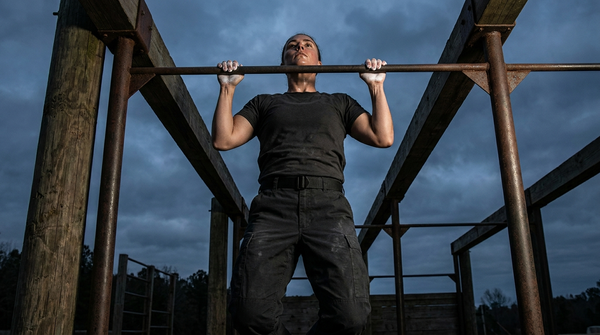
- Grip: Use a shoulder-width overhand grip (pronated grip). Your thumbs can wrap around the bar for extra security.
- Body Position: Engage your core to avoid swinging. Maintain a slight hollow body position with legs extended or crossed behind you.
- Movement: Initiate the pull by retracting your scapulae (shoulder blades), then pull your chin over the bar by driving your elbows down and back.
- Descent: Lower yourself in a controlled manner until your arms are fully extended before the next rep.
Consistent practice with perfect form builds strength and reduces the risk of strain, especially on the shoulders and elbows.
Step 3: Use Resistance Bands for Assisted Pull Ups
Resistance bands are a cornerstone tool at Battle Bunker for building pull up strength progressively. Here’s how to use them:
- Select the Right Band: Bands come in varying thicknesses. Choose one that provides enough assistance to complete 8, 12 reps with good form.
- Set Up: Loop the band securely around the pull up bar and place one foot or knee inside the band loop for support.
- Train Consistently: Use bands to perform assisted pull ups focusing on full range of motion and scapular control.
Resistance bands help build strength in the pull up muscles while allowing you to practice the correct movement pattern. As you get stronger, switch to thinner bands for less assistance, gradually progressing to unassisted pull ups.
Step 4: Incorporate Negative Pull Ups and Isometric Holds
Negatives and isometric holds are powerful techniques to build strength when you struggle with full pull ups.
- Negative Pull Ups: Jump or step up so your chin is above the bar, then slowly lower yourself down over 3-5 seconds. This eccentric loading stimulates muscle growth and strength.
- Isometric Holds: Hold your chin above the bar or at various points (mid-pull, top, or bottom) for 10-30 seconds. This builds endurance and neuromuscular control.
Perform these exercises 2-3 times per week as part of your pull up routine. Over time, they will improve your ability to perform full pull ups.
Step 5: Strengthen Supporting Muscles
Pull ups require a strong foundation. Focus on these key muscle groups:
- Latissimus Dorsi: Try lat pulldowns, bent-over rows, or inverted rows.
- Biceps and Forearms: Include bicep curls, hammer curls, and farmer carries.
- Shoulders and Traps: Perform face pulls, dumbbell shrugs, and overhead presses.
- Core: Use Battle Bunker's ab straps for hanging leg raises, knee tucks, and windshield wipers to develop a strong midsection that stabilizes during pull ups.
Building these muscles will improve your pull up strength and help maintain proper form.
Step 6: Utilize Battle Bunker Training Gear for Optimal Performance
Battle Bunker offers high-quality gear designed to support your pull up training:
- Resistance Bands: Perfect for assisted pull ups and mobility drills. Durable and easy to integrate into any workout.
- Wrist Wraps: Provide joint support and prevent wrist fatigue during heavy or high-rep pull up sessions.
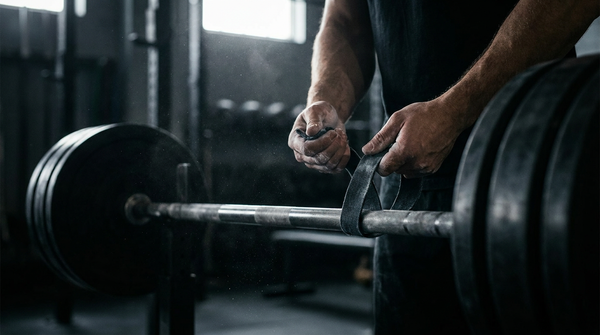
- Lifting Straps: Enhance grip strength by reducing grip fatigue, allowing you to push through extra reps without your grip giving out first.
- Ab Straps: Attach to pull up bars for advanced core exercises that complement pull up training, increasing overall body control.
Using the right gear can make a significant difference in training quality, injury prevention, and progression speed.
Step 7: Train Smart with Progressive Overload and Recovery
Consistency and smart training are crucial for pull up progress:
- Progressive Overload: Gradually increase reps, sets, or reduce assistance. Add weighted pull ups with a belt or vest once you can do multiple unassisted reps.
- Frequency: Aim for 3-4 pull up sessions per week, mixing volume and intensity.
- Recovery: Rest at least 48 hours between intense pull up workouts. Use wrist wraps and proper warm-ups to protect joints and muscles.
- Nutrition and Sleep: Support muscle recovery and growth with proper nutrition and 7-9 hours of quality sleep.
Tracking your progress and adjusting your training load ensures steady improvement without burnout.
Step 8: Incorporate Pull Up Variations for Strength and Challenge
Adding variety to your pull up training keeps your muscles adapting and prevents plateaus:
- Chin Ups: Use an underhand grip to emphasize biceps.
- Wide Grip Pull Ups: Increase lat activation and range of motion.
- Commando Pull Ups: Grip the bar with hands close together, pulling your head to each side of the bar alternately.
- Archer Pull Ups: Pull your body towards one hand at a time, increasing unilateral strength.
Rotate these variations into your routine to build comprehensive upper body strength and resilience.
Step 9: Mental Strategies to Push Past Plateaus
Pull ups challenge your mental toughness. Use these strategies to stay motivated and push through tough training days:
- Set Clear, Achievable Goals: Break your ultimate pull up target into smaller milestones.
- Visualize Success: Picture yourself completing extra reps with perfect form.
- Use Tactical Breathing: Control your breathing to maintain focus and reduce fatigue during reps.
- Train with a Partner or Coach: Accountability and encouragement boost performance.
Remember, pull ups are as much about mindset as physical strength.
Conclusion: Take Control and handle Your Pull Up Goals
Learning how to do more pull ups is within your reach with the right approach, consistent training, and smart use of equipment. From mastering proper form to incorporating resistance bands and Battle Bunker’s specialized gear, every element plays a role in your success. Strengthen your supporting muscles, challenge yourself with variations, and adopt mental strategies to overcome plateaus.
At Battle Bunker, we’re committed to helping you build functional strength and discipline through hybrid training. Ready to improve your pull up game? Explore our selection of resistance bands, wrist wraps, lifting straps, and ab straps, designed to enhance your training and keep you injury-free. Don’t stop there: check out our training programs tailored to help you build strength, endurance, and resilience for pull ups and beyond.
Start your pull up journey today with Battle Bunker gear and training, because strength is earned, not given.