
Rucking with a Weight Vest

Rucking with a weight vest is one of the most effective ways to build functional strength, boost endurance, and prepare your body for real-world challenges. If you’re serious about tactical fitness or just want to train harder, adding a weighted vest to your ruck marches transforms a simple walk into a powerful full-body workout. This guide breaks down why rucking with a weight vest matters, the science behind it, and how to train smart and safe.
Why Rucking with a Weight Vest Matters for Fitness and Performance
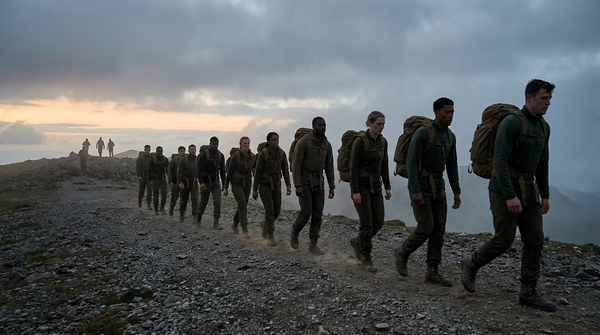
Rucking, marching or hiking with a loaded backpack, is a time-tested military training tool that builds cardiovascular fitness, muscular strength, and mental toughness. Adding a weight vest intensifies the challenge by increasing load distribution across your torso, which more closely mimics combat gear or occupational loads.
The benefits include:
- Increased calorie burn: Weighted rucking demands more energy, accelerating fat loss and metabolic conditioning.
- Improved posture and core strength: The vest’s weight forces your body to stabilize midline muscles.
- Enhanced joint resilience: Gradual load progression strengthens bones, joints, and connective tissue.
- Better real-world readiness: Training with a vest prepares you for carrying heavy gear, whether in tactical scenarios or outdoor adventures.
In short, rucking with a weight vest isn’t just cardio, it’s a hybrid training method that blends strength, endurance, and durability.
The Science Behind Rucking with a Weight Vest
Research confirms that weighted vest training significantly increases the intensity of aerobic workouts without altering your natural movement patterns. Studies show that wearing a vest loaded with 10-20% of your body weight can:
- Boost heart rate by 10-20% compared to unweighted walking
- Increase oxygen consumption (VO2 max) for better endurance
- Promote muscle hypertrophy and bone density gains over time
Load carriage distributes weight more evenly than a backpack and engages stabilizer muscles in the shoulders, back, and core more effectively. This promotes better posture and reduces injury risk compared to uneven or improperly loaded packs.
Moreover, progressive overload with a weight vest helps your body adapt to heavier loads without excessive joint strain, as the vest stays close to your center of gravity.
How to Start Rucking with a Weight Vest: A Step-by-Step Guide
If you’re new to rucking with a weight vest, follow these guidelines to build safely and effectively:
- Choose the right vest: Look for durable, adjustable vests that allow incremental weight addition and fit snugly to avoid bouncing.
- Start light: Begin with 5-10% of your body weight. For example, if you weigh 180 lbs, start with 9-18 lbs.
- Warm-up thoroughly: Activate your hips, glutes, and core with dynamic stretches and mobility drills.
- Plan your route: Start with 1-2 miles on flat terrain at a moderate pace.
- Maintain proper form: Keep shoulders back, chest up, and engage your core. Avoid leaning forward excessively.
- Increase load and distance gradually: Add 2-5 lbs every week or two, and increase distance by 10-15% per session.
- Incorporate rest days: Recovery is critical to avoid overuse injuries.
- Track your progress: Use a GPS watch or app to monitor pace, distance, and heart rate.
Best Exercises to Complement Rucking with a Weight Vest
Optimizing your performance requires more than just rucking. Incorporate these strength and mobility exercises to support your loaded marches:
- Deadlifts: Build posterior chain strength critical for carrying loads.
- Farmer’s carries: Improve grip and shoulder stability.
- Planks and side planks: Enhance core endurance to maintain posture.
- Hip thrusts: Activate glutes for powerful strides.
- Calf raises: Strengthen lower legs for shock absorption.
- Hip flexor stretches: Maintain mobility for efficient gait.
These movements reinforce the muscles involved in rucking, helping prevent fatigue and injury.
Common Mistakes to Avoid When Rucking with a Weight Vest
Even seasoned athletes make mistakes that limit progress or cause injury. Watch out for these pitfalls:
- Loading too heavy too soon: Jumping to 30-40% body weight without adaptation can overload joints and muscles.
- Poor vest fit: A loose vest causes chafing and instability.
- Neglecting footwear: Use supportive, well-cushioned boots or shoes designed for loaded walking.
- Ignoring posture: Slouching or leaning forward increases strain on the lower back.
- Skipping recovery: Overtraining leads to chronic soreness and setbacks.
- Not hydrating: Weight vests increase sweat rate; stay hydrated to maintain performance.
Being methodical and disciplined will keep your rucking with a weight vest routine safe and effective.
Conclusion: improve your Training with the Battle Bunker Hybrid Weight Vest
Mastering rucking with a weight vest is a proven way to build tactical fitness, functional strength, and endurance. For those ready to take their training to the next step, the Battle Bunker Hybrid Weight Vest offers durability, comfort, and modular loading options designed by veterans who understand the demands of real-world training.
Its rugged design and adjustable weights make it ideal for progressive rucking programs, ensuring you stay well-prepared while minimizing injury risk. Equip yourself with the best gear and make every step count.
Bookmark this guide, commit to smart progression, and watch your strength and stamina improve.