
What Is Pararescue? Air Force PJ Selection and Pipeline Explained

Every special operations community has a job description. Pararescue's is unique: go get people back. Air Force Pararescuemen, called PJs, are the military's dedicated personnel recovery specialists, trained to fight their way to an isolated or injured person, deliver paramedic level trauma care, and bring them home. Their motto, That Others May Live, is not marketing. This guide explains what PJs actually do, the fitness test that gates entry, what the two year pipeline looks like, and how to train for it.
What Is Pararescue?
Pararescue is an Air Force Special Warfare career field focused on combat search and rescue and personnel recovery. PJs recover downed pilots, treat casualties under fire alongside special operations teams, and handle civil rescue missions from mountain hoists to hurricane response. Graduates wear the maroon beret.
What separates PJs from other special operators is the medical depth. Every PJ is a nationally registered paramedic, and the job blends technical rescue (parachuting, diving, mountain operations, hoists) with battlefield trauma medicine at a level no other ground force maintains.
What Do PJs Actually Do?
On the combat side, PJs attach to rescue squadrons and special operations task forces, ready to launch when someone is isolated, wounded, or shot down. On any given deployment that can mean casualty evacuation under fire, mass casualty response, or recovering personnel from crash sites. On the civil side, PJ units routinely execute long range ocean rescues and disaster response, because few organizations on earth can parachute paramedics to a ship a thousand miles offshore.
The Entry Standard: IFT Minimums
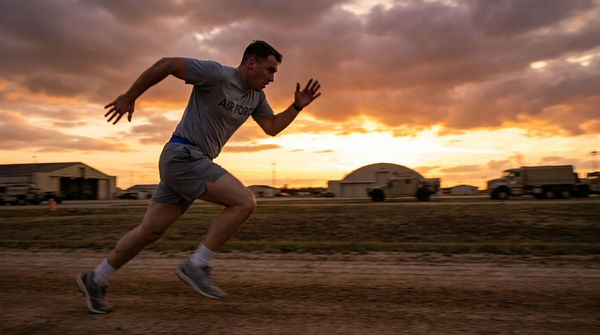
Entry starts with the Initial Fitness Test, the same test used across Air Force Special Warfare jobs including Combat Control. Published minimums:
| Event | Minimum |
|---|---|
| Pull-ups (2 min) | 8 |
| Sit-ups (2 min) | 50 |
| Push-ups (2 min) | 40 |
| 1.5 mile run | 10:20 |
| 2 x 25 m underwater swim | Pass/fail |
| 500 m surface swim | 15:00 |
That 15:00 swim is the standard for new enlistees, who all enter as Basic Special Warfare Airmen (9T5). Guard, Reserve, prior service, and retraining candidates for PJ, CCT, TACP, and SR must finish the 500 m in 12:30. Source: the official IFT worksheet dated 10 Jan 2023.
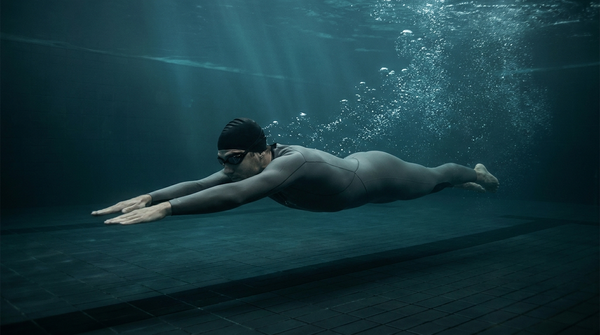
For Pararescue specifically, water confidence is the great filter. The pipeline is famous for pool work that makes fit athletes quit, so the 500 meter swim and the underwaters deserve as much training time as your run. Benchmark yourself with the free Air Force PAST/IFT calculator, and read our breakdown of how to handle the underwater test without panicking before your first attempt.
The PJ Pipeline: Roughly Two Years
After basic military training and the Special Warfare preparation block, candidates attend the four week Special Warfare Assessment and Selection course at Lackland Air Force Base. Those selected for Pararescue then work through a pipeline that takes roughly two years end to end:
| Stage | What it covers |
|---|---|
| Assessment and Selection | Four weeks of physical and character evaluation at Lackland |
| Combat Dive Course | About six weeks in Panama City, Florida, on open and closed circuit diving |
| Airborne and free fall | Static line parachuting, then military free fall qualification |
| SERE | Survival, evasion, resistance, and escape training |
| Paramedic course | About 22 weeks at Kirtland AFB leading to national paramedic certification |
| Pararescue Recovery Specialist Course | About 24 weeks at Kirtland AFB: weapons, tactics, hoists, recovery operations |
Stack those blocks together with travel and holds and you understand why PJs describe the pipeline as a marathon of schoolhouses. Durability and consistency matter more than any single test score.
How to Train for Pararescue
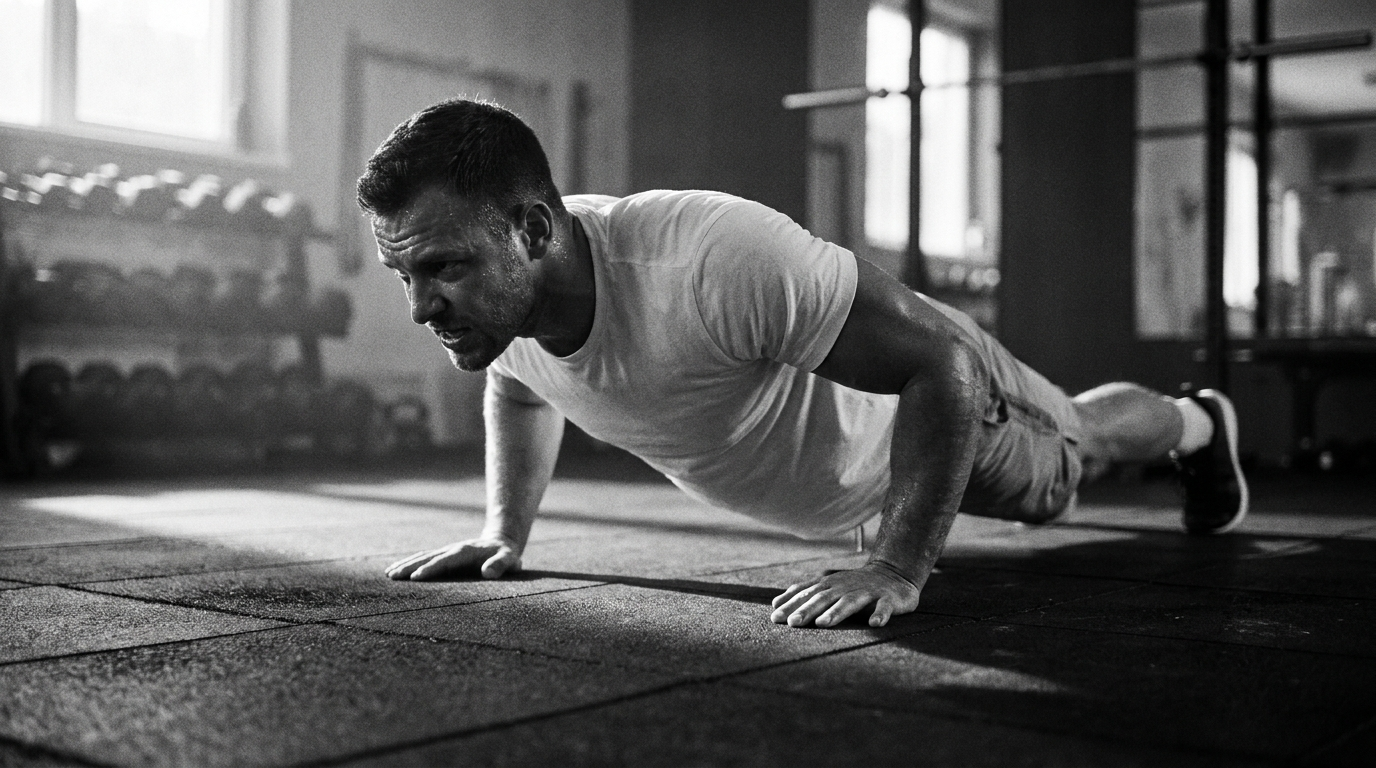
A sensible PJ prep week hits the water three times (technique, breath control drills with a buddy and proper supervision, and one longer surface swim), runs three to four times with intervals for the 1.5 mile, and lifts three times with an emphasis on pulling strength, overhead durability, and trunk endurance. Layer in rucking every week; selection and the schoolhouses both demand it.
Load carriage is where many otherwise fit candidates fall apart. Walking under load builds the hips, feet, and posture that carry you through selection, and it pairs naturally with the calisthenics volume the IFT rewards. If you are starting from scratch, our pull-up progression guide will get your weakest event moving.

Train under load
Hybrid Weight Vest MK2
An adjustable vest for weighted walks, calisthenics, and ruck style conditioning, the simplest way to add load carriage to a PJ prep week. $199.99.
Shop now →Frequently Asked Questions
Why are Pararescuemen called PJs?
The nickname comes from "para jumper," old shorthand for parachute rescue jumpers. The term stuck decades ago and the community still uses it.
How long is Pararescue training?
Roughly two years from the start of the pipeline to an operational rescue squadron, spread across selection, dive, airborne, free fall, SERE, the paramedic course, and the recovery specialist course.
What is the difference between Pararescue and Combat Control?
PJs are rescue and trauma medicine specialists; CCTs are air traffic control and strike integration specialists. They share the same entry test and selection course, then split into different schoolhouses. Our Combat Controller guide covers the other path in detail.
What fitness scores do I need to start?
The IFT minimums: 8 pull-ups, 50 sit-ups, 40 push-ups, a 10:20 1.5 mile run, two 25 meter underwaters, and a 500 meter swim in 15:00 (12:30 for prior service, Guard, Reserve, and retrainees), all in one continuous test. Run your numbers through the military PT calculators and attack your weakest event first.