
What Is SWCC? Navy Special Warfare Combatant-Crewman Selection Explained

Ask most people to name Naval Special Warfare and they will say SEALs. But the SEALs do not move alone. The men who insert them, extract them, and put fire on the beach are SWCC, the Special Warfare Combatant-Crewmen. If you want the mission set without the trident, or you simply want to know what it takes to earn a spot in the boats, this guide breaks down what SWCC is, the screening standards you have to hit, and how to build the engine that gets you there.
What SWCC Actually Does
SWCC operators crew and pilot the fast, heavily armed boats of Naval Special Warfare. They run clandestine insertions and extractions, coastal patrol, and direct fire support for SEAL teams and other special operations forces. The work is a blend of seamanship, weapons, navigation, and raw physical durability. You are exposed to weather, sea state, and long operational hours, so the pipeline screens hard for people who can keep performing when they are cold, wet, and tired.
It is a distinct career field from the SEALs, with its own training pipeline and its own culture, but the front door looks familiar. Both communities open with the same physical gate: the Navy Physical Screening Test.
The SWCC Physical Screening Test (PST)
The PST is five events run back to back with short rest between them: a 500-yard swim, two minutes of push-ups, two minutes of sit-ups, a max set of pull-ups, and a 1.5-mile run. The minimum standards to qualify for the SWCC contract are:
- 500-yard swim: 13 minutes or faster, using the combat sidestroke or breaststroke
- Push-ups: at least 50 in 2 minutes
- Sit-ups: at least 50 in 2 minutes
- Pull-ups: at least 6, dead hang, no time limit
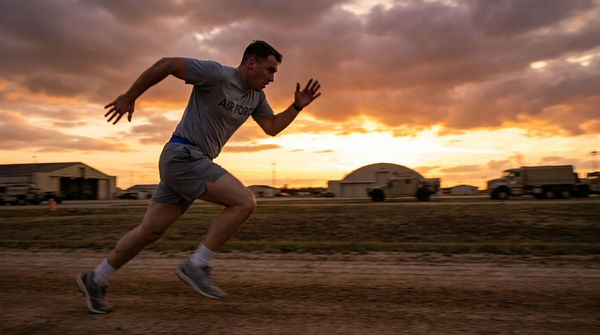
- 1.5-mile run: 12 minutes or faster
Here is the part that trips people up. Meeting the minimum does not get you selected, it gets you considered. Community managers rank candidates by score, and the people who ship to training are well above the floor. Treat these numbers as the price of admission, not the goal.
Competitive Numbers to Aim For
If you want to be a strong candidate rather than a borderline one, build toward a 500-yard swim around 10 minutes, push-ups and sit-ups in the 80 to 100 range, 12 or more pull-ups, and a 1.5-mile run near 10 minutes. Those are not record numbers, but they signal that you have trained for the pipeline instead of just clearing the bar. You can score your current PST and see where you stand using our Navy SEAL and SWCC PST calculator, then set targets from there.

The Selection Pipeline
After you qualify and ship, SWCC candidates move through Basic Crewman Training and then Crewman Qualification Training in Coronado, California. Expect long days of physical conditioning, timed swims, small-boat handling, navigation, weapons, and constant team evolutions carrying gear and boats. Like SEAL training, it is built to sort for grit as much as fitness. The events are hard, but the deeper test is whether you keep working when the environment is miserable and the day is not close to over.
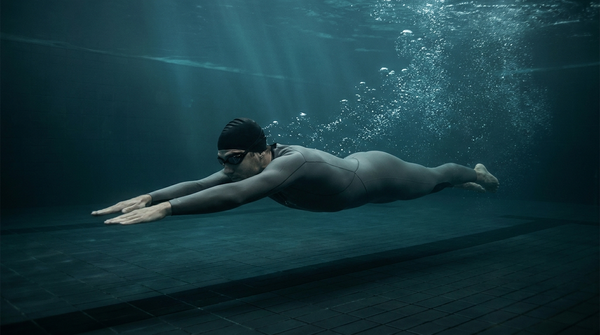
Water competency is the theme that runs through everything. If you come from a land-sports background, the swim is usually the event that humbles people first, so give it the most runway in your preparation.
How SWCC Compares to Other Selection Courses
The PST gate is shared with the SEAL, EOD, and diver communities, but the mission and day-to-day are different. If you are weighing your options, it is worth reading up on the SEAL path in our guide to what BUD/S is and the PST standards it demands, and comparing the broader landscape of service fitness tests in our military fitness test comparison. Seeing the standards side by side makes it easier to pick the pipeline that fits your strengths.
What Changes in 2026
The PST itself is not changing, it is still the same five events described above. What is new is that the SEAL, SWCC, and EOD and diver communities begin taking a separate Navy Combat Fitness Test in 2026, in addition to their existing screening. The screening test still guards the front door, so your preparation strategy does not change: get your swim, calisthenics, and run scores well above the minimums and keep them there.
How to Train for the SWCC PST
The PST rewards balanced conditioning, not a single strength. A simple weekly framework looks like this: swim two to three times a week with a focus on efficient combat sidestroke technique before you chase speed, run two to three times a week mixing intervals and one longer aerobic effort, and train calisthenics volume for push-ups, sit-ups, and pull-ups on non-consecutive days so you can recover.
Build Pull-Up Strength First
Pull-ups are where most candidates leave points on the table, because you cannot fake them and you cannot cram them. If you are stuck in the single digits, resistance bands let you train the full range of motion with assistance and then add band-resisted work as you get stronger. Our guide to going from a handful of pull-ups to 20 or more lays out a progression you can run alongside your swim and run work.
Do Not Neglect the Aerobic Base
The run is scored, but aerobic capacity also carries your swim and your recovery between events on test day. Zone-two running, easy rucking, and steady swims build the base that lets you push hard when it counts. If you like structured plans, the free calculators and training resources on our military PT calculators page can help you set realistic weekly targets and track progress toward competitive scores.
Frequently Asked Questions
Is SWCC harder than BUD/S?
They are different, not ranked. Both pipelines are demanding and both wash out a large share of candidates. SWCC leans heavily into seamanship, boat handling, and weapons, while the SEAL pipeline is longer and more diverse in its mission set. The physical screening gate is the same, so neither is a shortcut.
Do I need to be a strong swimmer before I start?
You need to be competent and getting better. You do not have to arrive as a competitive swimmer, but you should be able to complete the 500-yard swim comfortably under the standard using the combat sidestroke. Water competency is trained throughout the pipeline, but candidates who arrive weak in the water tend to struggle early.
What is the minimum PST score for SWCC?
The published minimums are a 500-yard swim in 13 minutes, 50 push-ups and 50 sit-ups in two minutes each, 6 pull-ups, and a 1.5-mile run in 12 minutes. Remember that these are qualifying numbers, not competitive ones, and stronger scores make selection far more likely.
How long is SWCC training?
Basic Crewman Training followed by Crewman Qualification Training runs several months in Coronado before an operator reports to a boat team. The exact timeline varies with class scheduling and individual progression through each phase.
The Bottom Line
SWCC is one of the least understood and most physically demanding paths in Naval Special Warfare. The screening standards are only the entry point, so the smart move is to train past them long before test day. Balance your swim, run, and calisthenics, hammer your pull-ups, and score yourself honestly. Start with the PST calculator to see where you stand, then build the weeks that close the gap.