
Lifting Belt vs No Belt: Which Is Best for Strength Training?

Lifting Belt vs No Belt: What's Best for Your Strength Training?
If you've spent time in a gym, you've seen it: some lifters with belts, others going without. The debate around lifting belt vs no belt is more than preference. It's a decision that can affect your performance, safety, and long-term progress. Whether you're grinding through heavy squats, deadlifts, or strength circuits, understanding when to use a belt, and when to skip it, will make you a smarter lifter.
This guide breaks down how belts work, the real pros and cons, when to use them, and how complementary gear like resistance bands, wrist wraps, and lifting straps from Battle Bunker fits into the picture.
Why the Lifting Belt Debate Matters
Compound lifts demand spinal stability and core engagement. A lifting belt can help, but it's not always the right call. The answer depends on your training goals, experience, and the specific lifts involved.
Using a belt incorrectly can create over-reliance on external support and reduce your natural core development. Not using a belt when lifting at or near maximal loads increases injury risk. Neither extreme is right for all situations.
What a Lifting Belt Actually Does
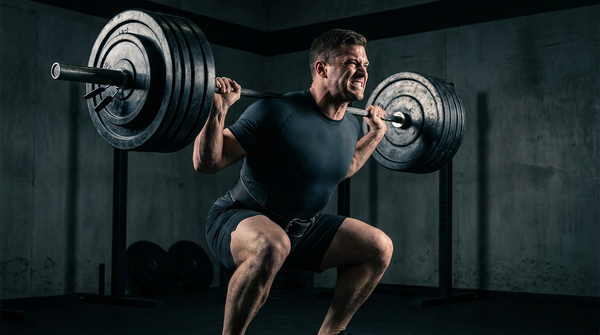
A lifting belt increases intra-abdominal pressure (IAP). When you brace your core against the belt, it helps create a rigid cylinder around your midsection that stabilizes the spine and reduces stress on the lower back during heavy lifts.
- Intra-Abdominal Pressure: The belt gives your abdominal muscles something to push out against, creating a stronger brace.
- Spinal Support: Stabilizing the lumbar spine reduces shear forces during heavy loading.
- Performance: Many lifters move more weight and maintain better form with a belt because the additional stability improves their mechanics.
Lifting Belt vs No Belt: The Real Trade-Offs
Training With a Lifting Belt
-
Pros:
- Enhanced core stability during heavy compound lifts.
- Reduced injury risk by limiting excessive lumbar flexion under load.
- Allows heavier training with better confidence in your brace.
-
Cons:
- Potential for over-reliance if worn on every set regardless of load.
- Unnecessary for lighter or accessory work.
- Wearing it too loose or too tight causes problems of its own.
Training Without a Lifting Belt
-
Pros:
- Builds core strength naturally by forcing abdominal and lower back muscles to engage without help.
- Develops better bracing habits and body awareness.
- Greater range of motion for certain movements.
-
Cons:
- Higher spinal stress at maximal loads without the belt's support.
- May limit how heavy you can safely go before core strength becomes the bottleneck.
When to Use a Lifting Belt
The decision isn't all-or-nothing. Here's a practical framework:
Belt On:
- Heavy loads: If you're lifting above 80% of your one-rep max on squats, deadlifts, or overhead presses, a belt provides meaningful protection.
- Maximal or near-maximal efforts: The belt gives you extra stability precisely when form is most likely to break down.
- Heavy rucking or load-bearing movements: High-load carries and similar movements benefit from the added stability.
Belt Off:
- Light to moderate loads: Accessory work and lifts under 70% of 1RM are good opportunities to build natural core strength.
- Core-specific training: Ab, oblique, and lower back work should be done without external support.
- Dynamic or explosive movements: Sprinting, kettlebell swings, and agility work are better without restriction around the midsection.
Choosing the Right Belt
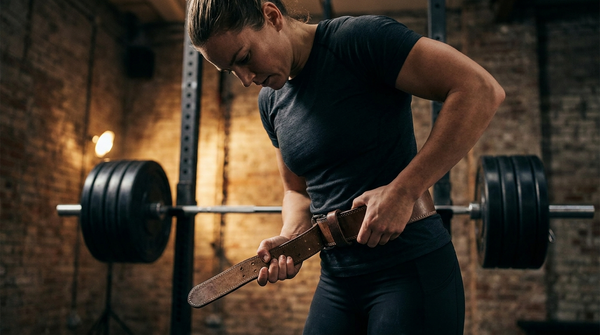
Not all belts are the same. The Battle Bunker Hybrid Belt is built for serious training: solid construction, consistent width all the way around for even pressure distribution, and a secure buckle that stays put under load. If you're going to use a belt, use one that's actually designed for the job.
Complementary Gear That Supports Either Approach
The belt debate is one part of a complete gear setup. These tools complement your training whether you're belted or not:
Wrist Wraps for Joint Support
Heavy pressing and pulling strain your wrists. Battle Bunker wrist wraps stabilize the joint during overhead presses, bench press, and high-rep pull work, letting you train harder without accumulating wrist wear.
Lifting Straps for Grip
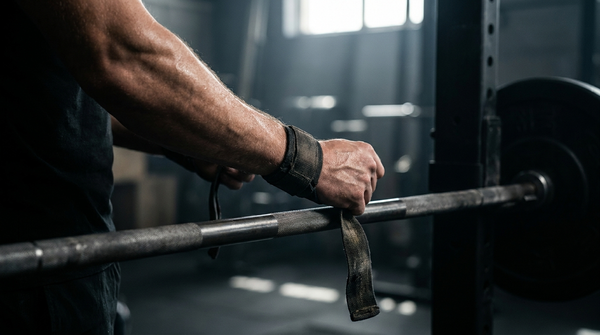
During deadlifts or pull-ups, grip fatigue limits your sets before your target muscles are finished. Battle Straps secure your hold on the bar so grip doesn't become the bottleneck.
Resistance Bands for Warm-Up and Accessory Work
Battle Bands activate the core and prime supporting muscles before heavy belt work, and they're effective for belt-free accessory sessions building foundational strength.
Ab Straps for Core Development
A strong core supports everything, including your ability to brace properly with or without a belt. Hanging ab straps make core work like leg raises and knee tucks more effective by reducing grip fatigue and keeping focus on the abs.
Common Belt Mistakes
- Wearing it too loose: The belt should be snug enough that you're pressing against it, but not so tight it cuts into your skin or restricts your breath.
- Using it on every set: Lighter sets and warm-ups don't need belt support. Save it for the work sets that actually require it.
- Skipping the brace: A belt only works if you brace into it. Take a deep breath into your belly, expand outward against the belt, then initiate the lift. The belt does nothing if you're not creating pressure against it.

CORE SUPPORT
Battle Bunker Hybrid Belt
Self-locking weight lifting belt engineered for hybrid operations. Rigid enough for heavy deadlifts, flexible enough for rucks and carries. Built to outlast cheap leather.
Shop Hybrid Belt — $49.98 →Final Word
The lifting belt vs no belt question doesn't have one right answer for all situations. For heavy compound lifts at high percentages of your max, a quality belt provides real protection and performance benefits. For general strength work, accessory training, and core development, going without it builds the foundational strength that makes belt work more effective when you do use it.
Use the belt as a tool with a specific job: heavy sets, high-risk loading, or competition-level efforts. Pair it with wrist wraps, lifting straps, resistance bands, and ab straps for a complete setup that supports training across all intensities.