
Rucking Backpack and Gear Essentials: What to Carry and How to Train

Rucking is more than walking with weight on your back. It's a proven hybrid training method that builds cardiovascular endurance, muscular strength, and mental toughness at the same time. Whether you're preparing for a military ruck march, building general fitness, or training for tactical competition, having the right rucking backpack and gear matters. The wrong setup creates discomfort, chafing, back pain, and injury. The right setup lets you focus on the training.
In this guide, we'll cover everything you need to know: how to choose a rucking backpack, what gear to carry, how to pack it correctly, and how to pair your ruck sessions with supplemental training for better results.
What Is Rucking and Why Does Gear Matter?
Rucking involves walking or hiking with a loaded backpack, typically between 20 and 50 pounds. It's a low-impact workout with high returns: cardiovascular conditioning, leg and core strength, grip endurance, and the kind of mental durability that comes from sustained physical discomfort over distance.
Military personnel have trained with rucks for generations. Today, athletes, competitors, and civilians use it for fitness, weight management, and tactical preparation. The one common factor: gear selection determines comfort and performance. A poorly fitted pack on a 5-mile ruck turns into a painful lesson. A well-fitted, properly loaded pack lets you train hard and recover well.
How to Choose the Right Rucking Backpack
Your pack is the foundation. Here's what to look for:
- Material and Durability: High-quality, abrasion-resistant fabrics like 1000D nylon or Cordura handle rough terrain and heavy use. Avoid packs with thin webbing or cheap buckles that crack under repeated load.
- Capacity: A 20-40 liter pack is the practical range for rucking. Large enough for ruck plates, hydration, and essentials. Small enough to stay manageable.
- Weight Distribution: Look for adjustable, padded shoulder straps and a functional waist belt that transfers load from shoulders to hips. This is the single most important comfort feature on a long ruck.
- Frame Support: Internal or external frames maintain structure and even weight distribution, especially as distance increases.
- Hydration Compatibility: A bladder compartment keeps water accessible without stopping to dig through your pack.
- MOLLE Webbing: Modular attachment points let you customize your loadout with pouches or secure accessories externally.
Essential Gear to Carry on a Ruck
Once you have the right pack, what goes in it matters just as much:
- Ruck Plates or Weight Plates: Steel ruck plates designed for backpacks distribute weight evenly and sit close to your spine. Use plates over loose weight to avoid shifting during movement.
- Hydration System: A hydration bladder or water bottles. Dehydration degrades performance faster than fatigue. Carry more than you think you need.
- Comfort Accessories: Padded hip belt covers, shoulder strap pads, and moisture-wicking liners prevent chafing on longer rucks.
- Resistance Bands: Battle Bunker resistance bands are lightweight and compact. Carry them for dynamic warm-ups before your ruck, or mobility work and strength drills at your turnaround point.
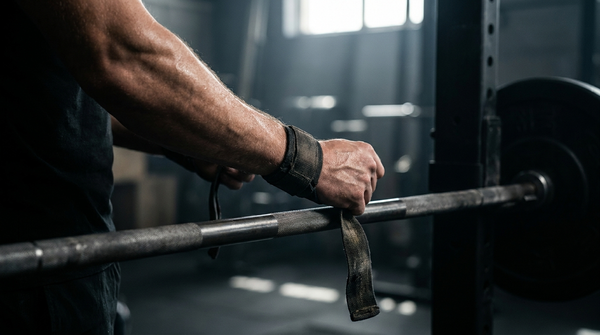
- Wrist and Grip Support: Wrist wraps and lifting straps are useful if you're pairing ruck sessions with strength training. Heavy loaded carries demand grip endurance. Straps let you focus on the carry, not your hands.
- Navigation: GPS or compass if you're heading off-trail or into unfamiliar territory.
- First Aid Kit: Basic kit for blisters, cuts, and minor issues. Blisters are the most common ruck injury. Treat them early.
- Nutrition: Energy bars, nuts, or electrolytes for rucks over 60 minutes.
- Weather-Appropriate Gear: Moisture-wicking socks, compression sleeves, and a packable layer depending on conditions.
Pairing Ruck Training with Supplemental Strength Work
Rucking builds endurance and loaded carry capacity. Pairing it with targeted strength and core training amplifies your results and reduces injury risk.
- Resistance Bands: Use bands before or after your ruck to activate hip flexors, glutes, and shoulder girdle. They travel in your pack and weigh nothing.
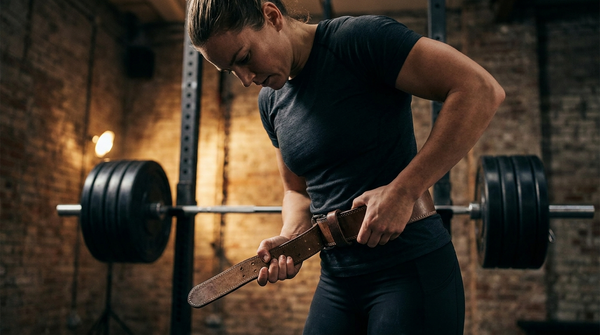
- Wrist Wraps: Protect your wrists during pull-ups, deadlifts, and overhead work that complements your ruck conditioning.
- Lifting Straps: Farmer's carries, deadlifts, and heavy rows build the grip and posterior chain strength that directly improves ruck performance.
- Ab Straps: Core strength keeps your posture solid on long rucks. Hanging leg raises with ab straps target exactly the muscles that fight postural breakdown under load.
How to Pack Your Rucking Backpack Correctly
Pack placement affects your comfort and efficiency more than most people realize:
- Heavy items close to your back: Ruck plates and dense gear go directly against your spine. This positions the center of mass correctly and reduces the torque on your lower back.
- Even horizontal distribution: Don't load one side heavier than the other. Your body will compensate with a tilt that becomes painful over distance.
- Compress loose items: Use compression straps or stuff smaller items into gaps to prevent shifting. Moving weight inside the pack disrupts your gait and wastes energy.
- Dial in straps before you move: Shoulder straps, sternum strap, and waist belt should be snug but not restrictive. Readjust within the first 10 minutes if anything feels off.
- Posture check: Chest up, shoulders back, core engaged. Rucking with a forward lean and rounded shoulders turns into back pain fast.
- Progressive loading: Start with a weight that's challenging but manageable. Add weight and distance gradually over weeks. The adaptation is cumulative.
Maintaining Your Rucking Gear
Gear that lasts is gear you take care of:
- Clean after every ruck: Wipe down the pack exterior and wash removable pads. Salt from sweat degrades materials over time.
- Inspect before each use: Check stitching, buckles, and straps for wear. A blown buckle mid-ruck is avoidable.
- Store dry: Keep your pack in a cool, dry location. Moisture trapped inside causes mold and breaks down foam padding.
- Wash training accessories: Resistance bands, wrist wraps, and lifting straps should be washed regularly and checked for fraying or loss of elasticity.
Final Thoughts: Build Your Ruck Setup Around What Works
Rucking is a straightforward training method that rewards consistency and smart gear choices. A well-fitted pack loaded correctly, paired with targeted strength and core work, builds the kind of fitness that transfers to real-world demands. Whether you're training for distance, competition, or general conditioning, the fundamentals are the same: good gear, correct loading, progressive overload, and consistent effort.
Pair your ruck sessions with Battle Bunker training gear. Resistance bands for warm-ups and mobility. Wrist wraps and lifting straps for supplemental strength work. Ab straps for the core training that keeps your posture solid when the pack gets heavy and the miles stack up.
Explore Battle Bunker's full range of training gear and build your ruck setup right.