

Best Resistance Bands: How to Choose the Right Set

Resistance bands are the best value in fitness. They are cheap, they travel anywhere, and a good set can cover pull-up assistance, strength work, and mobility for years. The catch is that most bands on the market are junk. Here is how to choose a set worth buying.
The types of resistance bands
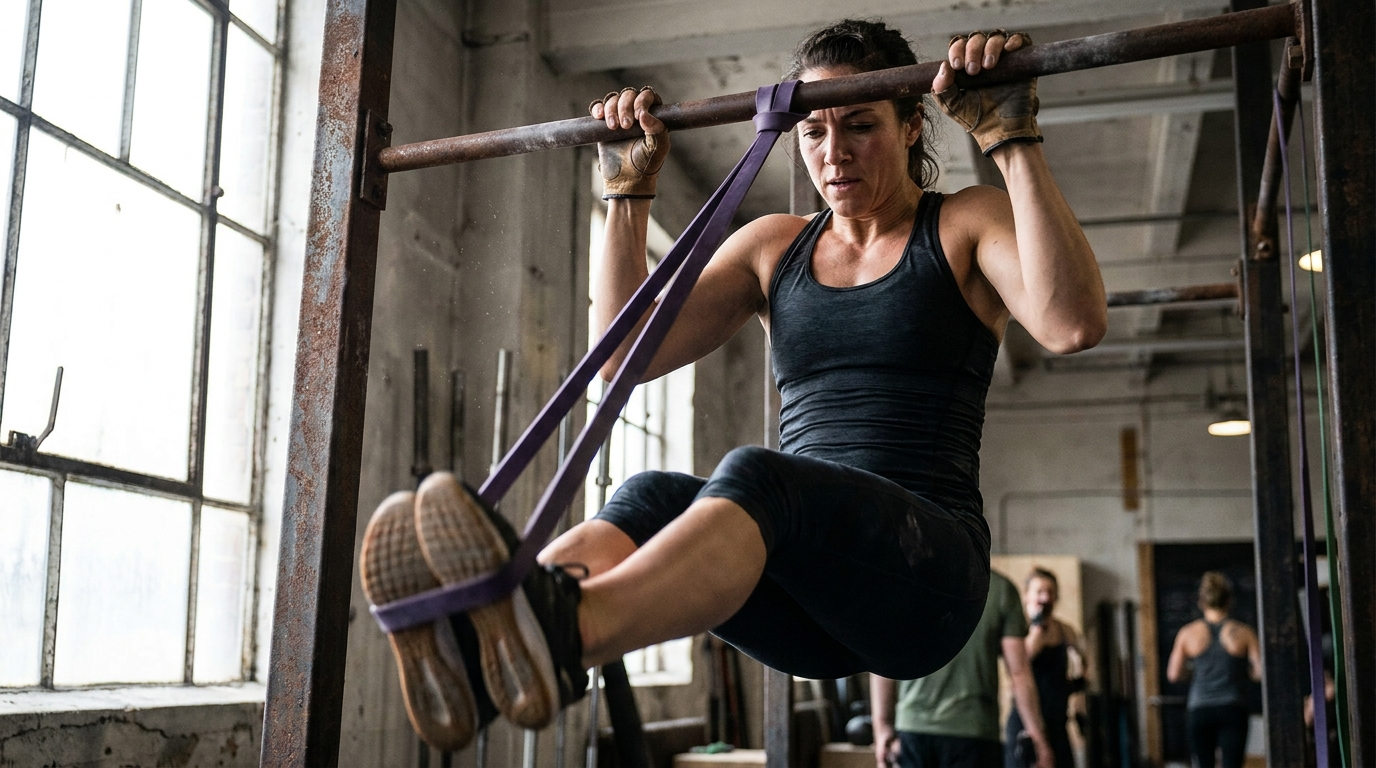
Not all bands are the same tool. The main types are: loop or pull-up bands (long continuous loops, the most versatile), tube bands with handles (good for pressing and rowing), mini bands (short loops for legs and glutes), and light therapy bands (rehab and warm-up). For most people building strength, loop bands are the workhorse.
What to look for in a quality band
- Layered construction: quality loop bands are built from many thin layers of latex, which last far longer and snap far less than molded bands.
- A useful weight range: the resistance should be honest and cover a range you will actually grow into.
- Consistent tension: good bands stretch smoothly instead of feeling dead or lopsided.
- Durability and a warranty: bands take abuse. A brand that stands behind them tells you something.
Choosing the right resistance
One band is rarely enough. A set that spans light to heavy lets you assist pull-ups with a heavy band, add resistance to presses with a medium, and do mobility and activation work with a light one. You can also stack bands to fine-tune the load. That is why a multi-band set beats buying a single band.
What most people actually need
For the vast majority of lifters, a set covering roughly 10 to 125 pounds of resistance handles nearly everything: pull-up progressions, banded strength work, mobility, and travel workouts. Buy the set once, buy it well made, and you are covered for years. If you are shopping for that range, the resistance bands we build come as a 3 pack spanning 10 to 125 lbs.

3-Pack Battle Bands
One set, every job. The Battle Bands span 10 to 125 lbs for pull-up assistance, strength work, and mobility, built from layered latex that holds up to real training.
Shop now →Best resistance bands FAQ
Are resistance bands as good as weights?
For building and maintaining muscle, bands are more capable than most people think, especially when you stack them for real load. Weights still win for maximal strength, but bands cover the majority of training needs.
What resistance should a beginner start with?
A set with light, medium, and heavy options so you can pick the right tension per exercise and progress over time.
Can resistance bands build muscle?
Yes. Progressive tension and enough volume build muscle whether the resistance comes from iron or latex.
How many bands do I need?
A three-band set covering a wide resistance range handles almost everything for most lifters.