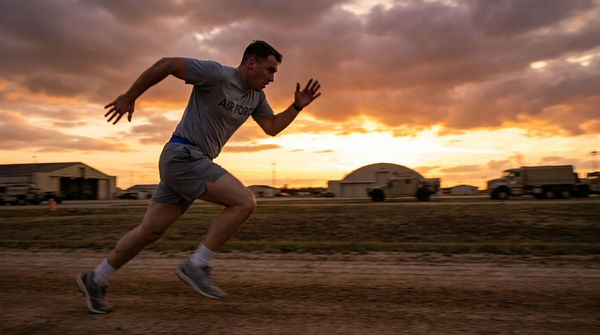

Weight Vest Workout: How to Train with Load and Build Real Fitness

A solid weight vest workout adds a dimension of difficulty that bodyweight training alone simply cannot provide. Adding external load to movements you are already competent in forces adaptation without requiring a gym, a barbell, or a long equipment list. If you own a weight vest and it has been sitting in a closet, this guide will show you exactly how to put it to work.
Why Train with a Weight Vest
The basic principle is straightforward: your body adapts to the demands you place on it. If you regularly do pull-ups and push-ups, your body gets good at pull-ups and push-ups at your bodyweight. Add load, and you force new adaptation. The result is greater strength, more muscle, and improved cardiovascular output under resistance.
Weight vest training is particularly effective for:
- Making bodyweight movements harder without complexity: You do not need to learn new skills. You just add load to movements you already own.
- Improving conditioning under load: Running, rucking, and carries done with a vest build aerobic capacity and postural endurance simultaneously.
- Preparing for real-world demands: Military and first responder fitness, tactical competitions, and obstacle course racing all involve moving under external load. Training with a vest mimics this demand directly.
- Increasing training density: When you can no longer increase reps effectively, adding load keeps the adaptation signal strong without requiring more volume.
The Battle Bunker Hybrid Weight Vest MK2 is built for athletes who train across disciplines. It sits close to the body so it does not bounce during runs, and the plate pocket system allows you to adjust load incrementally.
How Much Weight to Use
Start lighter than you think you need to. A 10 lb vest on a pull-up changes the movement significantly. A 20 lb vest on a two-mile run will surprise you if you have not trained under load before.
General guidelines:
- Beginners: 5 to 10 lbs. Focus on maintaining form and full range of motion.
- Intermediate: 15 to 25 lbs. Appropriate for most strength circuits and moderate-distance runs.
- Advanced: 25 to 45 lbs. For experienced athletes with a solid base of loaded training.
The rule of thumb: if the load is causing a significant form breakdown within the first few reps, drop the weight. The load should make the movement harder, not different in a way that creates injury risk.
Weight Vest Workout: Strength Circuit
This session is built around fundamental bodyweight movements, loaded with a vest. Use a weight where you can complete all reps with solid form. Rest 60 to 90 seconds between sets.
Warm-Up (5 minutes, no vest)
- 10 push-ups
- 10 air squats
- 10 jumping jacks
- Arm circles and hip openers
Block 1: Upper Body Pull (4 sets)
- Pull-ups x max reps with vest
- Rest 90 seconds between sets
- Target: 5 or more reps per set. If you cannot hit 5, reduce the weight.
Block 2: Push and Squat Superset (4 rounds)
- Push-ups x 12 to 15 reps
- Air squats x 15 reps
- Rest 60 seconds between rounds
Block 3: Carries and Lunges (3 rounds)
- Farmer carry or overhead carry x 40 yards (or carry a sandbag if available)
- Reverse lunges x 10 reps each leg
- Rest 60 seconds between rounds
Block 4: Core (2 rounds)
- Plank x 45 seconds
- Hanging leg raises x 10 reps (use ab straps if available)
- Mountain climbers x 20 reps total
Total time: approximately 40 to 50 minutes. This session will challenge your pull strength, push endurance, leg strength, and core stability all in one session.
Weight Vest Running: How to Build Up Safely
Running with a weight vest is one of the most effective ways to build aerobic capacity and running economy simultaneously. However, it adds significant load to your joints and changes your gait mechanics, so progression needs to be gradual.
A safe progression for vest running:
- Week 1 to 2: Add the vest for short intervals, 400 to 800 meters, with full recovery between runs. Focus on maintaining your normal posture and foot strike.
- Week 3 to 4: Increase interval distance to one mile per run. Begin incorporating easy vest runs of one to two miles at a conversational pace.
- Week 5 and beyond: Build to regular vest runs of two to four miles. Increase distance by no more than 10 percent per week to manage joint stress.
Vest running is also a natural bridge to ruck training. The demands are similar, and building your base with a vest at a run prepares your body for the slower, heavier demands of rucking with a full pack.
Weight Vest Workouts for Specific Goals
For Strength
Focus on heavy vest work in compound bodyweight movements. Weighted pull-ups, dips, and push-ups with 20 to 30 lbs will drive serious upper body strength gains over time. Program these like you would a barbell lift: sets of three to five reps at near-maximal effort, with longer rest periods.
For Conditioning
Use the vest for circuit training and short runs. Keep the weight lighter, 10 to 15 lbs, and focus on sustaining quality movement across multiple rounds. The goal is elevated heart rate and postural control under fatigue, not maximum strength output.
For Military or Tactical Fitness
If you are preparing for a military fitness test, tactical school, or similar assessment, vest training should be a significant part of your preparation. Carry capacity and the ability to perform under load are tested directly in these contexts. Train the following weekly:
- Two vest runs of two to four miles at goal pace
- One heavy vest strength session using the circuit above
- One ruck or long carry session at higher load
This builds the specific endurance, postural stability, and grip strength that tactical fitness demands.
For Hybrid Competition Prep
Athletes preparing for events like Hyrox or similar hybrid competitions benefit from vest training because it builds the capacity to sustain effort when fatigued. Running intervals with a light vest, followed by strength movements, simulates the competitive demands of moving between stations under sustained cardiovascular effort.
Combining a Weight Vest with Other Equipment
The vest works well alongside other training tools. Some combinations worth using:
- Vest plus resistance bands: Use resistance bands for pull-up assistance when the vest weight exceeds your pull-up capacity, or add band resistance to push-ups for upper body overload in multiple directions.
- Vest plus sandbag: Wearing a vest while doing sandbag carries dramatically increases total load and makes the session significantly more demanding. Use this sparingly and only when you have a solid base of vest training.
- Vest plus ab straps: Core work with a vest adds load to hanging movements like knee raises and leg raises. The Battle Bunker Hanging Ab Straps are built to support this kind of loaded core training.
Recovery and Frequency
Weight vest training is more demanding on your joints and connective tissue than unloaded work. Two to three vest sessions per week is appropriate for most athletes. On off days, train without the vest to allow recovery in the structures that bear the extra load.
Pay attention to how your hips, knees, and lower back feel in the days following vest runs. Joint discomfort is a signal to reduce load or frequency. Muscular fatigue is normal and expected.
What to Look for in a Weight Vest
Not all vests are built the same. Key features worth having:
- Low profile fit: A vest that rides close to your body moves with you and does not bounce during runs. Bulky plate carriers designed for tactical use are not ideal for training.
- Adjustable load: Being able to add or remove weight lets you progress gradually and adjust for different training demands within the same week.
- Durability: Vest training puts the gear under real stress. Look for reinforced stitching, quality buckles, and material that holds up to outdoor use and regular washing.
- Range of motion: Your vest should not restrict your shoulder movement on pull-ups or your hip flexion on squats. Fit matters as much as load capacity.
The Hybrid Weight Vest MK2 checks all of these. It is built for athletes who run, lift, carry, and train across disciplines without needing to change equipment for each session.
The Bottom Line
Weight vest training is one of the most efficient tools in a hybrid athlete's program. It makes every movement you already do more demanding, it builds fitness that transfers directly to real-world physical performance, and it requires no gym. Start with 10 lbs, master the movements, and build load over time. The results are straightforward: more strength, better conditioning, and a body that performs under the demands you actually face.