
Foam Roller Benefits For Muscle Recovery

Foam Rolling and Muscle Recovery: What You Need to Know
In hybrid training, strength conditioning, and military-style discipline, recovery is just as important as the work itself. One of the most accessible and effective tools for accelerating muscle healing and improving mobility is the foam roller. Whether you're a runner, rucking enthusiast, or pull-up athlete, understanding the foam roller benefits for muscle recovery can make your training more consistent and sustainable.
What Is a Foam Roller and Why Use It?
A foam roller is a dense cylindrical piece of equipment that applies pressure to specific points on your body. This technique, known as self-myofascial release (SMR), helps reduce muscle tightness, soreness, and inflammation while increasing blood flow to affected areas.
Adding foam rolling to your recovery routine can:
- Reduce muscle soreness and stiffness
- Improve flexibility and joint mobility
- Prevent injuries by loosening tight muscles before training
- Improve circulation and speed tissue repair
- Support relaxation and reduce stress after intense sessions
The Science Behind Foam Rolling
When you train hard, especially during pull-ups, weighted runs, or rucking, muscle fibers experience microscopic tears. Recovery requires increased blood circulation and the breakdown of scar tissue. Foam rolling stimulates the nervous system and fascia, the connective tissue surrounding muscles, helping release tension and improve tissue elasticity.
Research shows that foam rolling post-exercise can decrease delayed onset muscle soreness (DOMS), improve range of motion, and reduce recovery time. Consistent use prepares your body for the next session faster.
How to Use a Foam Roller for Maximum Recovery
1. Target Key Muscle Groups
Focus on the muscles that take the most strain in your workouts. For hybrid athletes, this typically includes quads, hamstrings, calves, glutes, lower back, and lats. Spend 1-2 minutes on each muscle group to promote blood flow and break up adhesions.
2. Apply Moderate Pressure
Use your body weight to control pressure. If you're new to foam rolling, start gently and increase intensity as your muscles adapt. Avoid rolling directly over joints or bones.
3. Roll Slowly and Breathe
Move at about one inch per second. Pause on particularly tender spots for 20-30 seconds to allow the muscle to release. Deep breathing during foam rolling helps relax muscles and amplifies the recovery effect.
4. Roll Before and After Training
Rolling before exercise warms up muscles and improves mobility. Rolling after training helps flush metabolic waste and reduces soreness going into the next day.
Foam Rolling for Different Training Goals
Strength Training and Muscle Growth
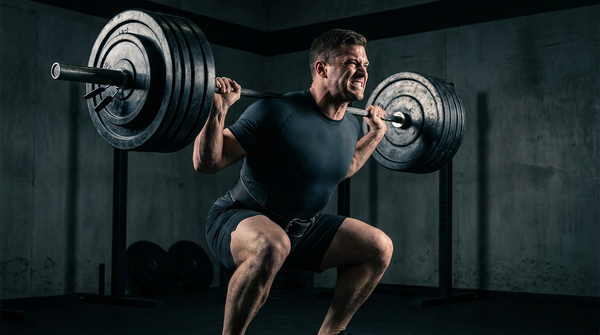
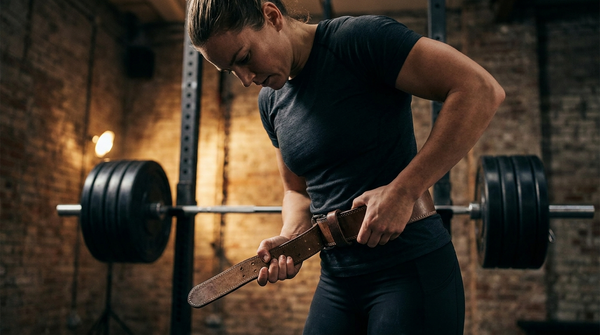
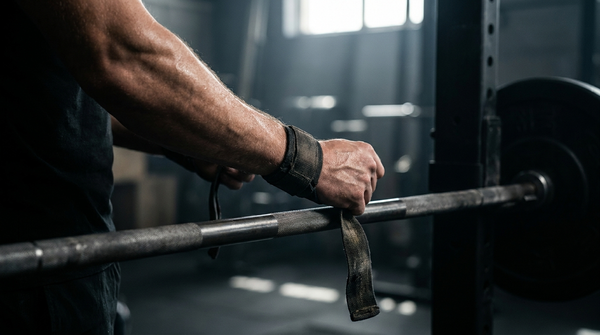
After heavy lifting sessions, foam rolling reduces muscle tightness and accelerates recovery, letting you train consistently without accumulated soreness. Pair foam rolling with Battle Straps (lifting straps) and Battle Wraps (wrist wraps) to protect joints and support your strength routine.
Running and Rucking
Long runs and weighted marches leave calves, hamstrings, and lower back feeling tight and fatigued. Regular foam rolling keeps these muscle groups functional and ready for your next endurance challenge.
Military-Style and Hybrid Workouts
Combining calisthenics, weightlifting, and cardio requires a serious recovery strategy. Foam rolling maintains the overall mobility you need to keep performing across multiple disciplines without accumulating injury.
Combining Foam Rolling with Battle Bunker Gear
For a complete recovery approach, use foam rolling alongside Battle Bunker's training accessories:
- Battle Bands (Resistance Bands): Use for dynamic stretching and mobility drills before or after foam rolling to extend muscle elongation and improve range of motion.
- Hanging Ab Straps: Build core strength with controlled hanging movements that support spinal health and posture, complementing your foam rolling work.
- Battle Wraps and Battle Straps: Protect joints during strength sessions so your muscles can recover more efficiently without joint stress compounding.
A Practical Foam Rolling Routine
Add this routine to your recovery days or post-workout cooldown:
- Calves: Sit with the foam roller under your calves, roll from ankles to knees for 1-2 minutes per leg.
- Hamstrings: Place the roller under your hamstrings and slowly move from knees to glutes.
- Quads: Lie face down and roll from the top of your knees to your hips.
- Glutes: Sit on the foam roller, cross one ankle over the opposite knee, and roll the glute muscle.
- Upper Back: Lay with the roller placed horizontally under your shoulder blades and gently roll up and down.
Run this routine 3-4 times a week or after particularly demanding training sessions to keep muscles loose and mobile.
Common Mistakes When Foam Rolling
- Rolling Too Fast: Speed reduces effectiveness. Slow, controlled movements release tension better.
- Ignoring Pain Signals: Foam rolling should be uncomfortable but not sharp-painful. If something hurts badly, ease off or skip that area.
- Inconsistency: The benefits of foam rolling build over time. Make it a regular part of your routine, not an occasional afterthought.
Build Recovery Into Your Training the Right Way
Foam rolling is a straightforward, low-cost tool that every serious athlete should use consistently. It keeps muscles loose, supports joint mobility, and helps you maintain training quality across a hard week of hybrid or military-style sessions.
Pair it with Battle Bunker's resistance bands, wrist wraps, lifting straps, and ab straps for a complete recovery and performance setup. Your body recovers better when every piece of the system works together.
Shop Battle Bunker Gear and start building the recovery habits that keep you training at your best.