
Weight Vest Benefits: What Training With Load Actually Does

A weight vest is one of the simplest ways to make training harder without changing what you do. Strap it on and every push-up, pull-up, step, and mile asks more of your body. But the benefits go beyond just making it tougher. Here is what training with load actually does, and how to use a vest without beating yourself up.
What a weight vest does
A weight vest adds external load that sits close to your center of mass, so your body has to move more weight through the same movements. That extra demand is the entire point. It raises the training stimulus on exercises you already do, from bodyweight strength work to walking and rucking.
The main benefits
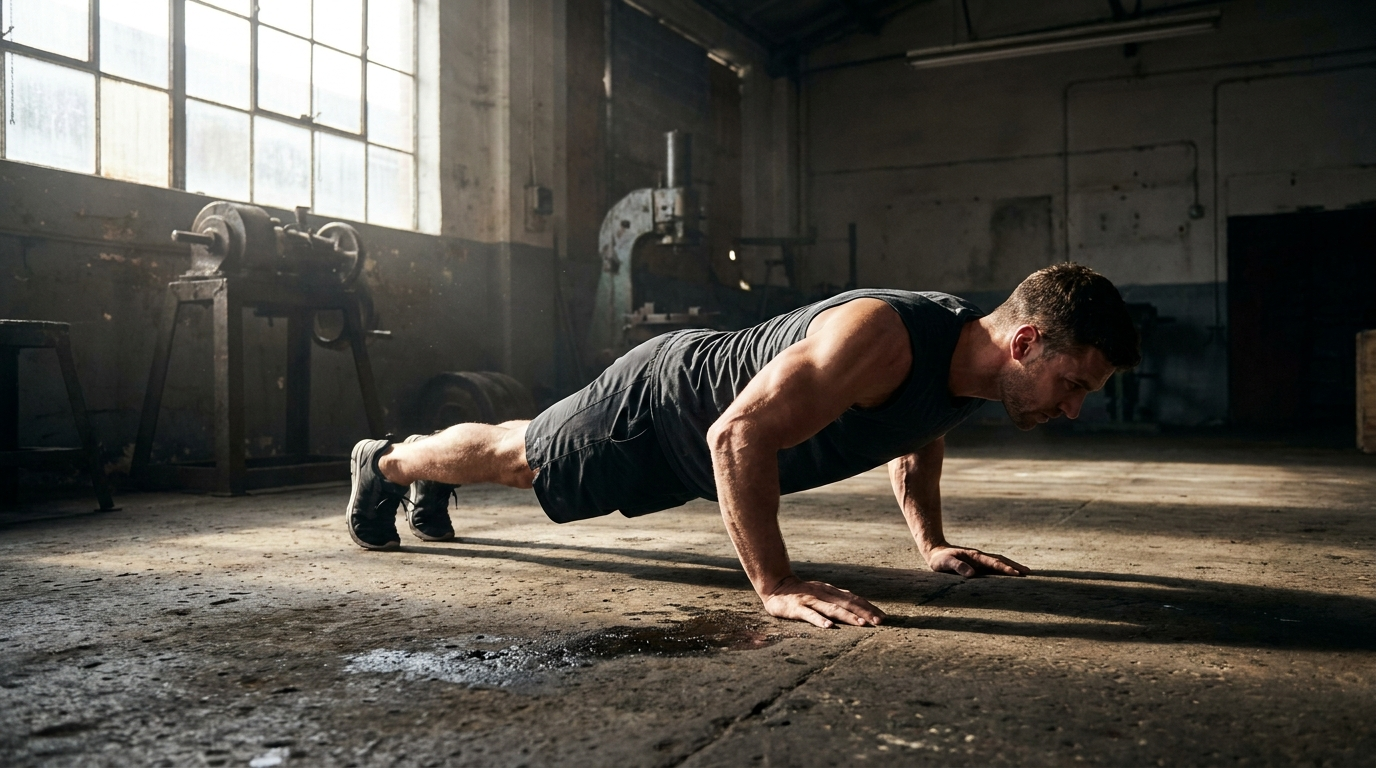
- More strength from bodyweight work: push-ups, pull-ups, squats, and dips all get meaningfully harder, so you keep building strength long after bodyweight alone stops challenging you.
- Greater bone and connective tissue loading: carrying load is a weight-bearing stimulus, which supports bone density and resilient joints when you progress sensibly.
- A bigger calorie burn: moving extra weight raises the energy cost of everything, so walks, rucks, and circuits burn more.
- Better conditioning and work capacity: training under load builds the kind of engine that carries straight over to rucking, tactical tests, and hybrid events.
- Real-world and tactical carryover: for anyone training for the military, fire service, or law enforcement, load training mimics the demands of the job and tests like the firefighter CPAT.

How to use a weight vest without overdoing it
Start lighter than you think, around 5 to 10 percent of your bodyweight, and add load slowly over weeks. Keep your posture tall and your movements clean, since load magnifies sloppy form. Use it for walking, rucking, step-ups, carries, and bodyweight strength first, and be conservative about high-impact running in a vest until your joints have adapted. More is not better here. Consistent, progressive load is.
What to look for in a weight vest
A good vest fits snug so it does not bounce, distributes weight evenly across your torso, lets you adjust the load, and is built to survive being dropped and sweated on. A vest that flops around or digs in will not get used.

Hybrid Weight Vest MK2
Ready to train under load? The Hybrid Weight Vest MK2 fits snug, distributes weight evenly, and adjusts as you get stronger, built for push-ups, rucks, and everything between.
Shop now →Weight vest FAQ
How much weight should you start with?
About 5 to 10 percent of your bodyweight, then progress gradually.
Is it okay to train with a weight vest every day?
Light vest walking can be near-daily for many people, but hard loaded strength or running sessions need recovery like any other training. Listen to your joints.
Are weight vests good for weight loss?
They increase the calorie cost of movement, so they can help, but the bulk of fat loss still comes from your overall training and nutrition.
Weight vest or rucksack?
A vest keeps load tight to your center of mass and is great for circuits and bodyweight work. A ruck sits on your back and is more specific if you are training for ruck-based events. Many people use both.
If you are new to training or have any joint or medical concerns, build up load gradually and consider checking with a qualified professional.