Grip Strength Exercises: How to Build a Crushing Grip

Grip is the quiet limiter in a lot of training. Your back could pull more, your legs could deadlift more, and you could hang longer, but your hands give out first. Building grip strength fixes that and carries over to nearly everything you do in the gym and out of it. Here are the best exercises and how to program them.
Why grip strength matters
A stronger grip means a bigger deadlift, more pull-ups, longer carries, and a body that holds up under real-world demands. Grip also comes in three flavors worth training: crushing grip (closing your hand), pinch grip (thumb against fingers), and support grip (holding on over time). A complete program touches all three. Curious where you stand right now? Compare your numbers against average grip strength by age to set a baseline.
The best grip strength exercises
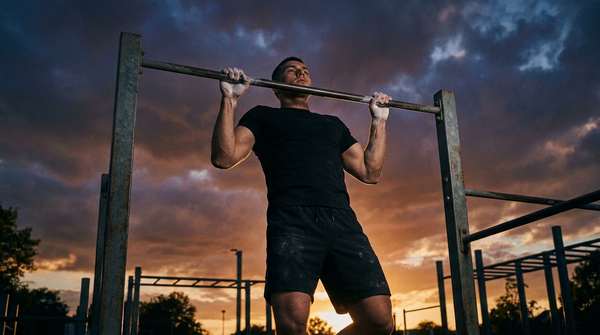
- Dead hangs: hang from a bar for time. The simplest, most effective support-grip builder there is. Our dead hang guide covers how long to hang and how to progress.
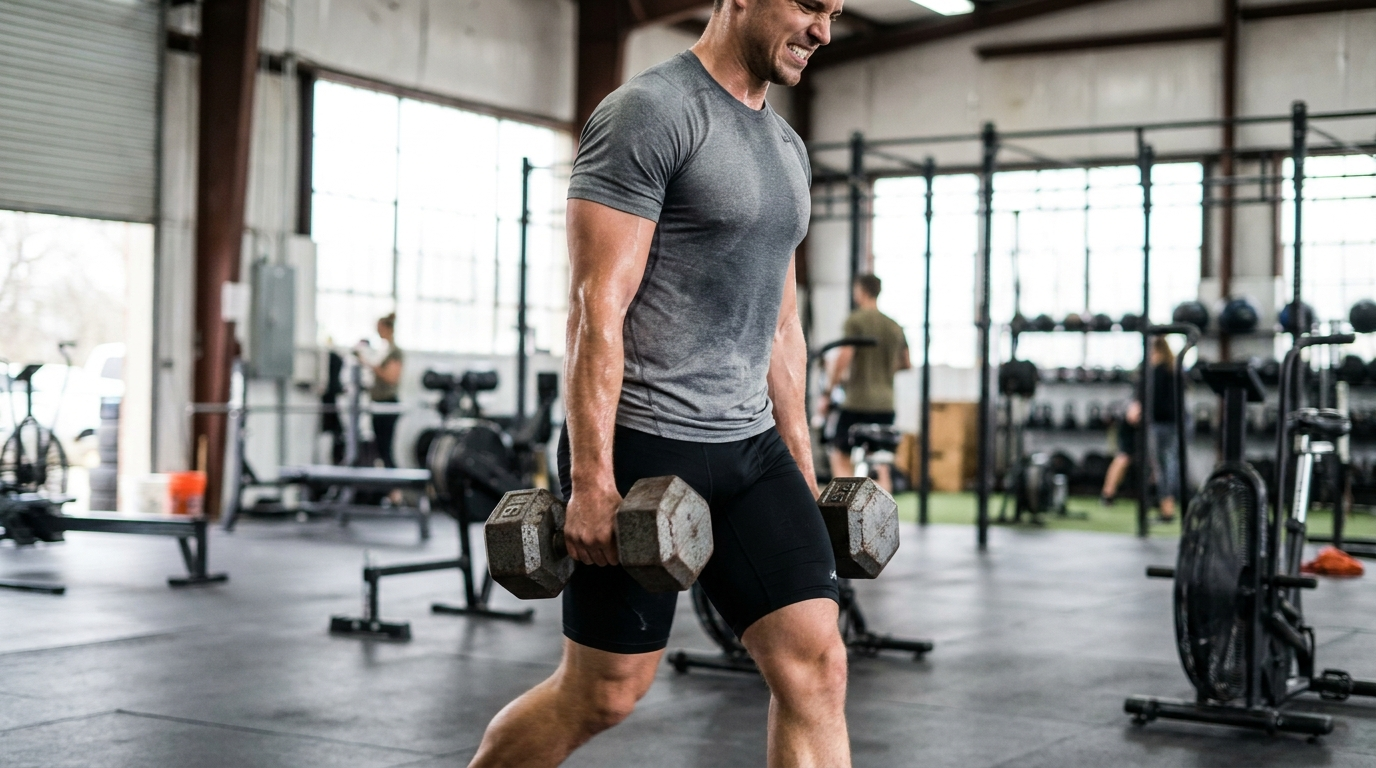
- Farmer's carries: walk with a heavy load in each hand. Brutal for support grip, and they build your whole body.
- Plate pinches: pinch two smooth plates together and hold or carry them to hammer the thumbs.
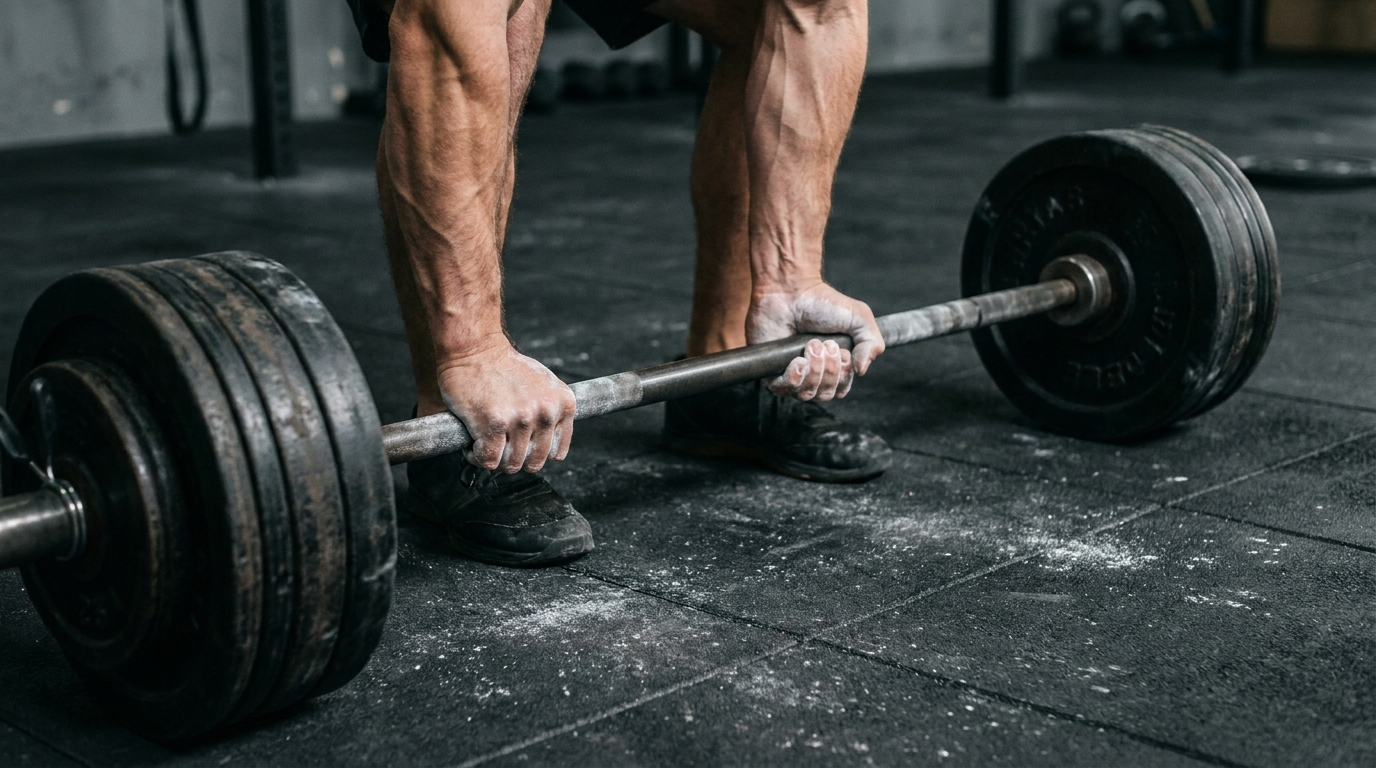
- Heavy deadlifts and rows: holding a heavy bar with a double-overhand grip is grip training in itself.
- Wrist curls and reverse curls: direct forearm work for balanced, resilient wrists. For a complete plan, follow a dedicated forearm workout.
- Towel pull-ups: drape a towel over the bar and pull. Thick, unstable grip that torches the forearms.
- Hand grippers: convenient crushing-grip work you can do anywhere.
How to program grip work
Two to three short sessions a week is plenty. Tack a few sets onto the end of your training, rotate between the three grip types, and progress by adding weight, time, or reps. Grip recovers fast, so you can train it often, but do not fry it right before heavy pulling days.
When grip limits your core work
Grip does not just cap your pulls. On hanging leg raises and knee raises, your hands and forearms usually give out long before your abs are finished. That is where hanging ab straps earn their place. They cradle your upper arms so you can train your core through a full range of motion without your grip ending the set early, which lets you punish your abs and keep building grip endurance on its own terms.

Hanging Ab Straps
Grip giving out before your abs on hanging leg raises? The Hanging Ab Straps take grip out of the equation so you can train your core hard, then build grip on its own.
Shop now →Grip strength FAQ
How long does it take to build grip strength?
Most people feel a difference in a few weeks of consistent work, with real gains over a couple of months.
Can you train grip every day?
Light grip work can be near-daily, but heavy grip training needs recovery like any other lift.
Do hand grippers actually work?
Yes for crushing grip, but pair them with hangs and carries so you build support and pinch grip too.
Why does my grip fail before my abs on hanging leg raises?
Hanging is a long support-grip demand, so your forearms fatigue first. Ab straps remove that limit so your core gets the full work.