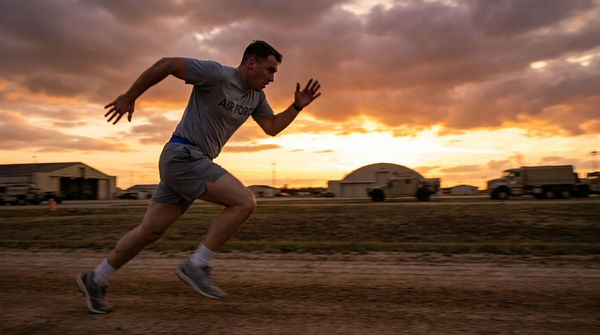

Weighted Vest for Men: How to Choose and Train With One

For men who want more out of bodyweight training, rucks, and conditioning, a weighted vest is one of the highest-value pieces of gear you can own. It makes what you already do harder, it takes up almost no space, and a good one lasts for years. Here is how to choose one and how to train with it.
Why train with a weighted vest?
A vest lets you load bodyweight movements that would otherwise get too easy. Pull-ups, push-ups, dips, step-ups, walks, and rucks all become serious strength and conditioning work again. Because the load sits tight to your torso, it feels natural to move under, which is why it beats holding dumbbells for most of this work.
How to choose a weighted vest
- Fit: it has to sit snug with no bounce. A vest that flops around ruins your form and gets left in the closet.
- Adjustable load: the ability to add and remove weight lets one vest grow with you.
- Even weight distribution: load spread across the torso feels far better than a few heavy pockets.
- Durability: it will get dropped and sweated on. Buy one built to take it.
How much weight should you use?
Start around 5 to 10 percent of your bodyweight and progress gradually. For strict pull-ups and dips you will want less than you think, while walks and step-ups can handle more over time.
The best ways to train with it
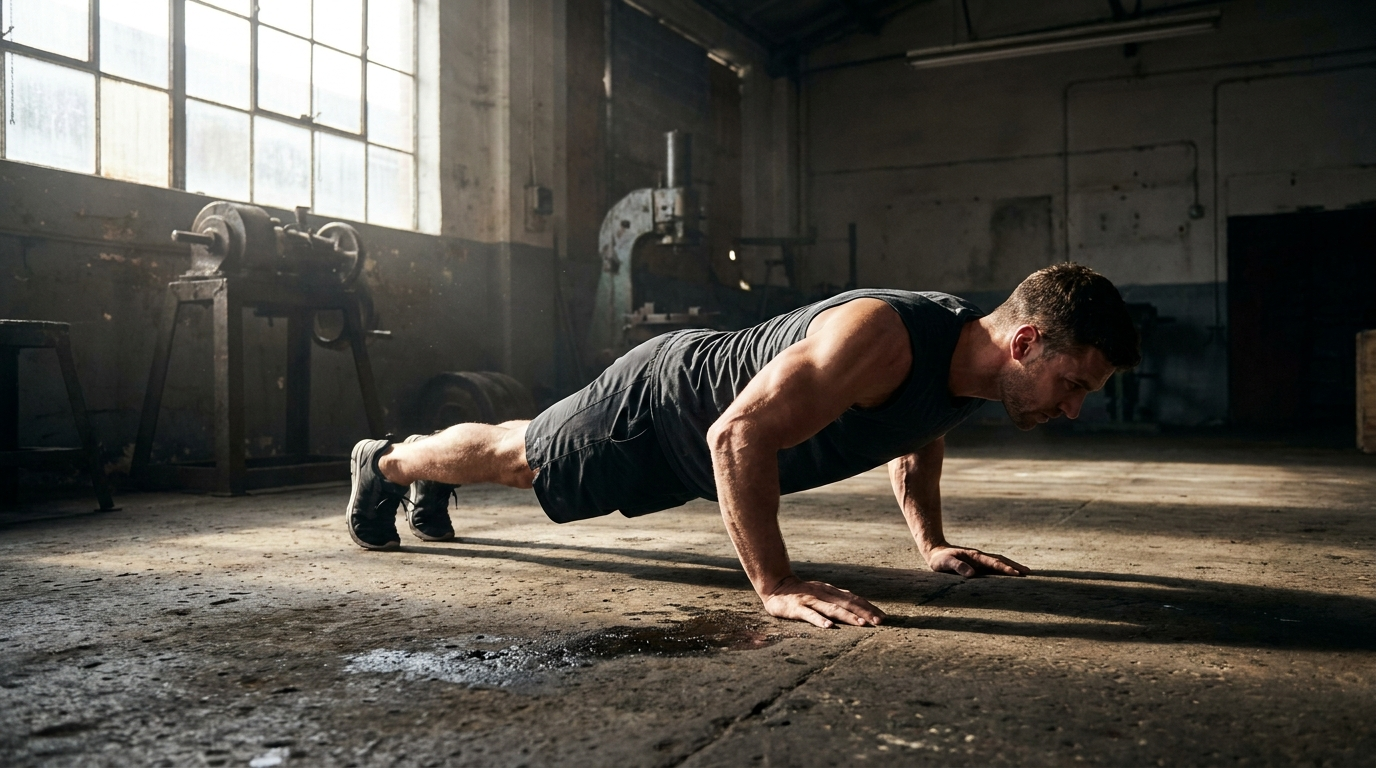
Weighted pull-ups, push-ups, and dips build real upper-body strength. Loaded walks, rucks, and step-ups build your engine and legs. Circuits in the vest crank up conditioning fast. Keep high-impact sprinting lighter or unloaded until your joints have adapted.

Hybrid Weight Vest MK2
Get more from every session. The Hybrid Weight Vest MK2 adds even, adjustable load to pull-ups, push-ups, rucks, and walks, and is built to take a beating.
Shop now →Weighted vest FAQ
How heavy should a weighted vest be?
Start at 5 to 10 percent of your bodyweight and add load as you get stronger. Strict pull-ups and dips need less than walks and carries.
Can you wear a weighted vest every day?
Light vest walking can be near-daily. Hard loaded strength and conditioning sessions need recovery like any training.
Does a weighted vest build muscle?
It increases the load on bodyweight work, which drives strength and muscle, especially on pull-ups, push-ups, and dips.
Weighted vest or rucksack?
A vest keeps weight tight for training and running. A ruck is better for event-specific ruck marches. Plenty of guys own both.
If you are new to training or have joint or medical concerns, build up load gradually and consider checking with a qualified professional.